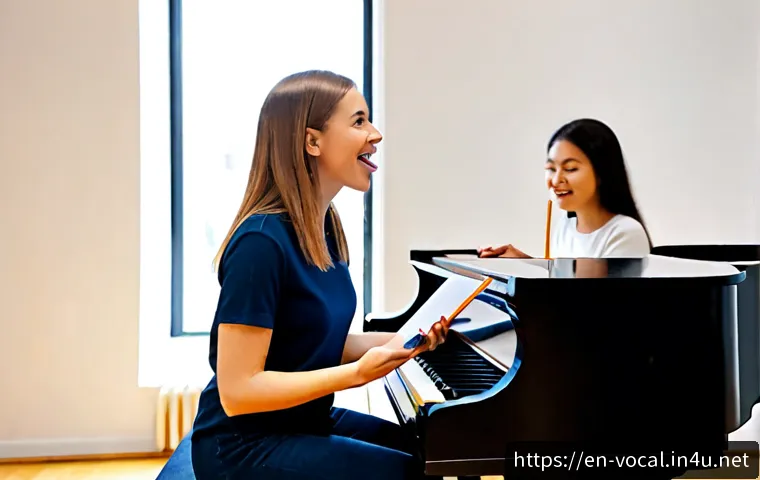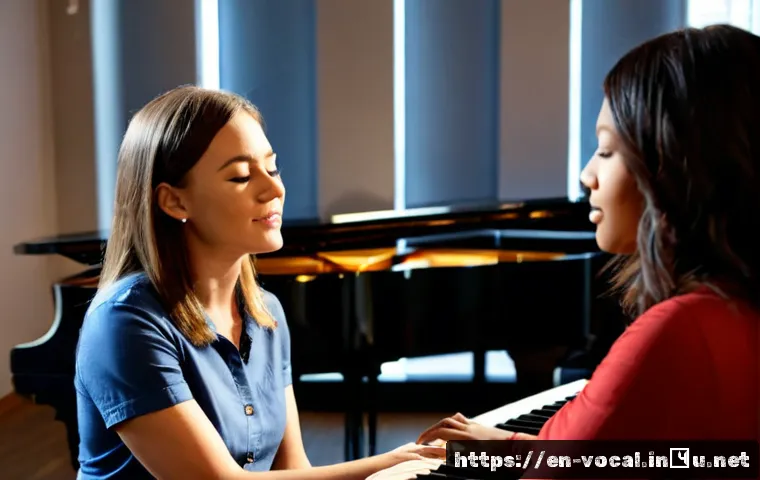
Modern vocal teaching works best when technique, repertoire, feedback, and practice plans are adapted to the individual student. For most coaches, the smartest investment is the one that removes the clearest current limitation: teaching knowledge, studio workflow, or online audio quality.
A certification program can be useful when it offers practical assessment and mentoring, while lesson-management software can reduce administrative friction as a studio grows.
Better microphones and headphones matter most when online or hybrid lessons are part of the regular schedule. No single method, platform, or piece of equipment is right for every genre, voice, or business model.
A clear selection process helps coaches spend with purpose rather than follow short-lived teaching trends.
At a Glance
- Invest in training when you need a stronger, more structured teaching framework and feedback process.
- Invest in studio software when scheduling, payments, notes, or practice follow-up are taking attention away from lessons.
- Invest in audio equipment when online or hybrid students cannot clearly hear demonstrations and feedback.
| Lesson Model | Setup Needs | Administrative Workload | Student-Fit Considerations |
|---|---|---|---|
| In-person | Suitable teaching space, basic recording option, clear lesson materials | Scheduling, notes, and payment follow-up | Useful for students who benefit from direct interaction and a consistent location |
| Online | Reliable platform, microphone, headphones, privacy plan, recording process | More attention to links, files, feedback, and technology checks | Useful for students who need flexible access and can work with audio limitations |
| Hybrid | Both in-person and online workflows, consistent student records | Higher coordination because lesson formats may change | Useful for students with changing schedules or occasional travel needs |
What Modern Vocal Teaching Looks Like Today
Top takeaway: personalize technique, feedback, and practice plans
Modern vocal pedagogy is less about forcing every singer through one fixed sequence. Vocal teaching commonly combines technical skill development, repertoire work, listening skills, and performance preparation. The order and emphasis should reflect the student’s goals, experience, genre, schedule, and learning preferences. A beginner building confidence may need short, simple tasks, while an experienced singer preparing a recording may need targeted listening and repertoire feedback.
Why students increasingly expect measurable progress and flexible delivery
Students often want to understand what they are practicing, why it matters, and what to listen for between lessons. Clear lesson notes and short recordings of exercises can help them review instructions and monitor changes over time. Progress tracking does not need to become complicated. A focused practice target, a brief note about the next step, and a recording when appropriate can create a useful record without overwhelming the learner.
Trends worth adopting versus short-lived social-media advice
Useful trends support better teaching decisions: individualized plans, clearer feedback, hybrid delivery, and organized student records. Be cautious with one-size-fits-all claims presented as fast fixes. A technique cue that helps one singer may not suit another singer, genre, or training stage. Strong coaching relies on observation, adjustment, and honest limits rather than viral certainty.
Compare Today’s Main Vocal Teaching Approaches
Technique-led lessons: coordination, resonance, registration, and efficiency
A technique-led approach gives students a structured way to explore coordination, resonance, registration, and vocal efficiency. It can be useful when a singer needs repeatable exercises and clearer listening tasks. The limitation is that technique should not be separated from the student’s actual musical goals. Exercises need a connection to repertoire and real performance demands.
Style-led coaching for contemporary, musical theatre, choral, and classical repertoire
Style-led coaching begins with the sound, repertoire, and performance context the singer wants to develop. This can make lessons immediately relevant, especially for singers with a defined genre goal. However, style should not replace careful technical work. A coach still needs to consider how the student is responding to the material and whether the practice plan is sustainable.
Student-led goal setting and practice accountability
Student-led planning gives the learner a role in setting priorities. Ask what they are preparing for, what feels difficult, how much practice time is realistic, and what feedback format helps them most. Accountability works better when the practice assignment is specific. “Review the short exercise recording and notice one change” is more actionable than a broad instruction to practice everything.
| Teaching Approach | Ideal Learner | Preparation Time | Limitations |
|---|---|---|---|
| Technique-led | Singers who need structured skill work and listening tasks | Requires exercise selection and adjustment | Can feel disconnected if repertoire goals are ignored |
| Style-led | Singers focused on a specific genre or performance setting | Requires repertoire and style preparation | May become narrow without technical reflection |
| Goal-led | Students with clear priorities and variable schedules | Requires regular plan updates | Goals still need realistic practice steps |
Where to Invest: Training, Technology, and Studio Systems
How to assess vocal pedagogy courses and certification programs
A vocal coach certification program is worth comparing by curriculum depth, assessment methods, mentoring access, and recognition in your local music education market. Look beyond the course title. Ask whether the program includes practical teaching assessment, opportunities to receive feedback, and material relevant to the singers you expect to teach. Exact outcomes, instructor quality, costs, and local accreditation status should be verified directly with each provider.
Online lesson platforms, scheduling software, payment tools, and student notes
Lesson-management software can support scheduling, payments, student notes, and communication in one workflow. It is most useful when administrative tasks are becoming inconsistent or time-consuming. Before choosing an online teaching platform or scheduling system, identify what you actually need: calendar coordination, private student notes, payment tools, lesson links, or practice follow-up. More features are not automatically more useful.
Audio essentials for hybrid teaching: microphones, headphones, interfaces, and room treatment
Online and hybrid voice lessons require attention to audio quality, latency limitations, privacy, and student feedback methods. A microphone, headphones, audio interface, and basic room treatment each address different parts of the setup. Compare microphone and recording equipment specifications based on how you teach, where you teach, and whether you need to demonstrate, record exercises, or manage multiple online students. Equipment alone does not replace clear instruction or careful listening.
Cost-versus-value questions before upgrading a teaching setup
Before buying, ask: What problem occurs repeatedly? Does it affect lesson quality, student follow-up, or studio administration? Can the tool fit your current workflow? Will students need a simple explanation to use it? These questions keep an upgrade connected to a practical need instead of a general fear of falling behind.
Build a Safe, Repeatable Lesson Process
A practical lesson structure: check-in, warm-up, targeted work, repertoire, and practice plan
A repeatable lesson can begin with a short check-in, move into a warm-up, focus on one or two targeted skills, connect those skills to repertoire, and finish with a practical plan. This structure gives both teacher and student a clear path while leaving room to adjust. The goal is not rigid timing; it is making sure the student understands the priority for the week.
Using recordings and student notes without overwhelming learners

Short recordings can help students revisit a demonstration and compare their own attempts over time. Keep notes simple: what to practice, what to listen for, and what to bring back next lesson. Too many files, cues, and instructions can reduce follow-through. Choose the smallest useful amount of feedback.
Common mistakes: over-cueing, copying one singer’s method, and ignoring recovery needs
Over-cueing can make a singer chase several physical instructions at once. Copying one successful singer’s method can also be misleading because students have different goals and responses. A coach should pay attention to workload, recovery needs, and whether the singer can apply feedback comfortably and consistently.
When to pause training and recommend professional voice or medical support
General coaching is not a diagnosis or treatment for persistent voice problems. Ongoing hoarseness, pain, sudden voice loss, or breathing difficulty may require assessment from an appropriately qualified healthcare professional. In those situations, pause the assumption that the issue is simply a technical challenge and encourage the student to seek suitable professional support.
Adapt Your Method to Different Teaching Situations
Beginners who need confidence and basic coordination
Beginners often benefit from clear language, manageable exercises, and small practice goals. Build confidence by helping them notice what changed rather than demanding an immediate finished sound. A basic routine can be more valuable than a complicated method they cannot repeat alone.
Experienced singers preparing auditions, performances, or recordings
Experienced singers may need lessons that connect technique to performance preparation. Repertoire choices, listening skills, delivery, and recovery all become part of the conversation. Keep the work focused on the actual demand: an audition, performance, or recording session may require different preparation priorities.
Online-only students and how to manage audio limitations
Online lessons can work well with realistic expectations. Latency can limit simultaneous singing, and audio processing can change what either person hears. Use clear turns, direct feedback, student recordings when appropriate, and a privacy-conscious process for sharing materials. Confirm that the student understands how to use the chosen platform before relying on it for detailed feedback.
Group classes versus one-to-one coaching
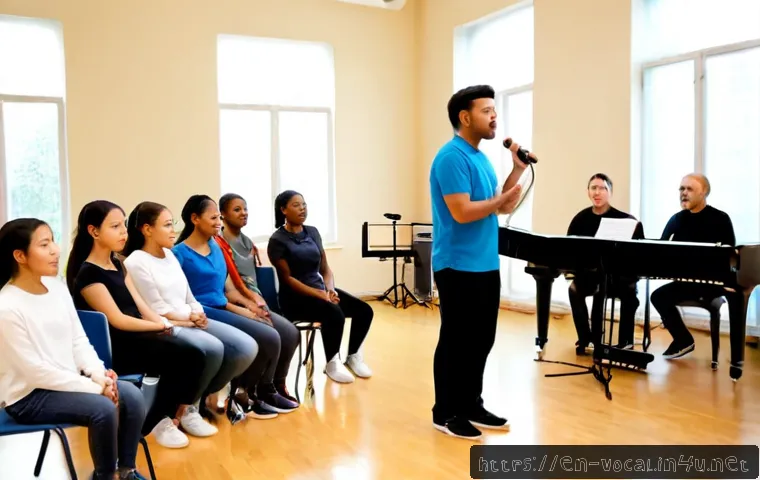
Group classes can support shared listening, repertoire exploration, and general learning. One-to-one coaching allows more individualized feedback and planning. Choose based on the student’s goals, comfort level, and the type of feedback needed. A group format should not assume that every participant needs the same instruction at the same time.
Selection Criteria and Comparison Summary
Choose a teaching method by checking student goals, genre, lesson format, teacher experience, and potential risk signals. Choose voice teacher training by comparing curriculum, mentoring, practical assessment, and whether the program fits your budget and local market. Choose lesson-management software based on student volume, scheduling needs, payment workflow, and note-taking requirements. Choose audio equipment by comparing microphone use, headphone monitoring, recording needs, room conditions, and platform compatibility. Before purchasing, list the current problem, the feature that addresses it, and how you will use it in a real lesson. For final details, compare official course curricula, scheduling platform features, and audio equipment specifications on the relevant provider pages.
In Closing
Modern vocal teaching is not defined by a single technique or tool. It is defined by thoughtful adaptation: matching feedback and practice to the student, using technology where it improves the lesson, and knowing when a concern is outside the scope of coaching. A strong studio system should make teaching clearer, not more complicated. Start with the gap that most affects your students and build from there.
Useful Things to Know
Practice recordings: Short exercise recordings can support review and progress monitoring.
Hybrid lessons: They require planning for audio quality, latency, privacy, and feedback.
Training programs: Their depth, mentoring, assessment, and market recognition can vary substantially.
Important Notes
No teaching method is universally best for every voice type, genre, or learner. A course, app, microphone, or platform cannot guarantee better outcomes without appropriate teaching practice. Persistent hoarseness, pain, sudden voice loss, or breathing difficulty should not be treated as a routine coaching issue; appropriate healthcare assessment may be needed.
Frequently Asked Questions
Q1. Do vocal coaches need a certification to teach professionally?
A1. Requirements and expectations can vary by local market and teaching setting. Certification can be useful when it provides meaningful curriculum, practical assessment, and mentoring, but you should verify recognition and requirements for your specific location and goals.
Q2. What should a new vocal coach invest in first: training, a microphone, or lesson-management software?
A2. Start with the most immediate limitation. Choose training if you need a more reliable teaching framework, a microphone and headphones if online audio is limiting feedback, or lesson-management software if scheduling and student follow-up are becoming difficult to manage.
Q3. Are online vocal lessons effective, and what equipment is needed for them?
A3. Online lessons can support coaching when both teacher and student account for audio quality, latency, privacy, and clear feedback methods. A suitable setup may include a microphone, headphones, an appropriate online platform, and a process for sharing notes or short recordings when useful.