Embarking on a journey to become a vocal trainer opens the door to a world where passion meets expertise. Whether you’re a seasoned singer aiming to share your knowledge or a music enthusiast eager to guide others, understanding the right skills and mindset is crucial.

Vocal trainers play a vital role in shaping voices, boosting confidence, and nurturing talent. This field demands a blend of technical know-how, empathy, and continuous learning.
Curious about what it takes to excel as a vocal trainer? Let’s dive deeper and explore the essentials together!
Mastering Vocal Techniques and Anatomy
Understanding the Mechanics of the Voice
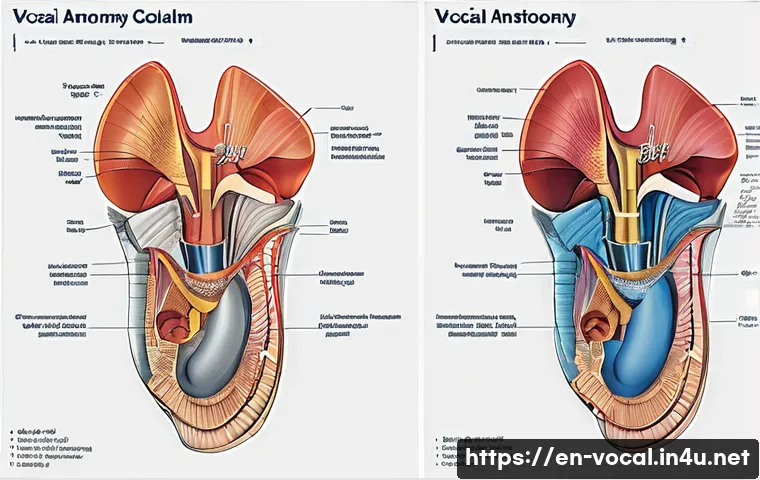
The foundation of effective vocal training lies in a deep comprehension of how the human voice works. As a vocal trainer, you need to familiarize yourself with the anatomy of the vocal cords, diaphragm, and resonators.
This knowledge helps in diagnosing common vocal issues and tailoring exercises to strengthen the voice. For instance, understanding breath control is essential because it supports sustained singing without strain.
When I first started teaching, I realized that many students struggled simply because they weren’t engaging their diaphragm properly. Explaining this anatomy in relatable terms makes it easier for learners to grasp and apply.
Techniques for Vocal Warm-ups and Exercises
Vocal warm-ups are crucial to prevent strain and injury. A good trainer designs exercises that gradually prepare the voice for singing, focusing on pitch accuracy, breath support, and flexibility.
I always recommend a combination of lip trills, humming, and sirens to get the vocal folds moving smoothly. Over time, I’ve noticed that students who commit to consistent warm-ups experience fewer vocal fatigue issues.
Teaching these techniques also involves patience and attention to each student’s unique vocal range and challenges, which means adapting exercises rather than using a one-size-fits-all approach.
Identifying and Correcting Vocal Flaws
It’s common for singers to develop habits that hinder their vocal performance, such as tension in the throat or poor posture. A skilled vocal trainer must learn to spot these flaws early and provide corrective guidance.
For example, some students might push their voice too hard, leading to hoarseness. Through careful listening and observation, a trainer can suggest adjustments like relaxing the jaw or modifying breathing patterns.
In my experience, combining technical corrections with encouragement builds both skill and confidence, which is vital for long-term vocal health.
Building Effective Communication and Rapport
Active Listening and Empathy
A successful vocal trainer isn’t just a technical expert but also a great listener. Understanding your students’ goals, fears, and motivations helps create a supportive learning environment.
I often find that students open up about their insecurities when they feel genuinely heard. This openness allows me to tailor lessons that address not just vocal skills but also performance anxiety or stage presence.
Empathy bridges the gap between instruction and inspiration, making the learning journey more enjoyable and productive.
Providing Constructive Feedback
Balancing encouragement with honest critique is an art every trainer must master. When giving feedback, I focus on highlighting strengths before addressing areas that need improvement.
For example, instead of saying “You’re off-key,” I might say, “Your tone is great, let’s work on hitting those notes more precisely.” This approach keeps students motivated and less defensive.
Over time, they become more receptive to feedback and proactive about their own progress, which is incredibly rewarding to witness.
Motivating Through Personalized Goals
Setting achievable, personalized goals is key to maintaining student motivation. Whether preparing for a performance or improving vocal endurance, I collaborate with each singer to define clear milestones.
Celebrating these small victories fuels enthusiasm and commitment. From my perspective, recognizing progress—even when it’s incremental—builds momentum.
It’s also important to adjust goals as students evolve, ensuring challenges remain stimulating without becoming overwhelming.
Incorporating Technology and Resources
Utilizing Recording Tools for Self-Assessment
Technology has become an invaluable ally in vocal training. Recording sessions enable students to hear themselves objectively, identifying strengths and weaknesses they might miss in real-time.
I encourage learners to use apps or simple audio recorders regularly. When I first introduced this method, students were surprised by how much their perception differed from actual sound.
This process helps develop self-awareness, a critical skill for any vocalist striving for improvement.
Leveraging Online Platforms for Expanded Learning
The rise of online platforms offers incredible opportunities for vocal trainers and students alike. From virtual lessons to curated video tutorials, the internet provides access to diverse teaching styles and techniques.
I’ve incorporated online tools to supplement in-person sessions, especially when students need extra practice or cannot attend weekly classes. Staying updated with digital resources not only enhances your teaching arsenal but also appeals to the tech-savvy generation of singers.
Essential Software for Vocal Analysis
There are specialized software programs designed to analyze pitch, tone, and breath control, giving trainers objective data to work with. I personally use pitch tracking apps that visualize notes in real-time, which helps students understand their intonation challenges better.
While software can’t replace human intuition, it adds a valuable layer of precision and insight. Integrating these tools into your practice demonstrates professionalism and a commitment to using every resource available to support your students’ growth.
Developing a Professional Teaching Style
Finding Your Unique Coaching Voice
No two vocal trainers teach exactly the same way, and developing a personal style can set you apart. Early in my career, I experimented with different approaches—from strict technical drills to a more holistic, emotional style—before settling on a balanced method.
Your style should reflect your personality and strengths while remaining adaptable to your students’ needs. Being authentic helps build trust and makes lessons more engaging and enjoyable.
Balancing Technical Instruction with Artistic Expression
While technical mastery is essential, singing is ultimately an art form. I emphasize this balance by encouraging students to connect emotionally with their material.

For example, after working on breath control and pitch, we spend time interpreting lyrics and exploring dynamics. This approach not only improves vocal performance but also nurtures a deeper connection to music, which is what truly captivates audiences.
Maintaining Professional Boundaries and Ethics
Building rapport is important, but maintaining clear professional boundaries ensures a respectful and productive learning environment. Setting expectations about punctuality, practice commitment, and communication helps avoid misunderstandings.
I’ve learned that establishing these guidelines early on fosters mutual respect and keeps the focus on growth. Ethics also involve continuous education and honesty about your qualifications and limitations as a trainer.
Understanding the Business Side of Vocal Training
Marketing Yourself as a Vocal Trainer
In a competitive market, effective self-promotion is crucial. Creating a strong online presence through a website, social media, and testimonials can attract potential students.
I’ve found that sharing short video tips or success stories boosts engagement and credibility. Networking with local music schools and participating in community events also expands your reach.
Marketing isn’t just about selling services; it’s about building a brand that reflects your passion and expertise.
Structuring Lessons and Pricing Strategically
Developing a clear lesson structure and fair pricing model helps manage student expectations and your workload. I offer package deals alongside single sessions, which encourages commitment and provides steady income.
Pricing should reflect your experience, location, and the level of customization you provide. Transparency in fees avoids confusion and builds trust. Additionally, offering trial lessons can attract hesitant students by giving them a risk-free way to experience your teaching style.
Managing Client Relationships and Scheduling
Efficient scheduling and client management are essential for a smooth operation. I use online booking systems to reduce administrative overhead and ensure clear communication.
Keeping detailed notes on each student’s progress and preferences helps personalize future lessons. Promptly addressing cancellations or rescheduling requests maintains professionalism and respect.
Building strong client relationships often leads to referrals, which are invaluable for growing your vocal training business.
Continuing Education and Personal Growth
Staying Updated with Vocal Science and Trends
The field of vocal training is always evolving, with new research and techniques emerging regularly. I make it a priority to attend workshops, read scholarly articles, and connect with other professionals.
This ongoing learning not only enhances my expertise but also keeps lessons fresh and relevant. For example, recent studies on vocal health have influenced how I approach warm-ups and rest periods.
Staying informed shows students that you’re committed to providing the best possible guidance.
Seeking Feedback and Reflecting on Teaching Practice
Regularly soliciting feedback from students and peers helps identify areas for improvement. I encourage honest dialogue at the end of lessons and occasionally conduct anonymous surveys.
Reflecting on this feedback has led me to adjust pacing, clarify explanations, and incorporate more interactive activities. This practice of self-assessment is vital for growth and demonstrates humility and dedication, qualities that students appreciate.
Balancing Personal Vocal Practice with Teaching
Maintaining your own vocal skills is just as important as teaching others. I schedule regular practice sessions and vocal rest to preserve my voice. This firsthand experience informs my teaching and allows me to empathize with the challenges my students face.
Balancing both roles can be demanding but rewarding, as it keeps your passion alive and ensures you lead by example.
| Aspect | Key Focus | Practical Tips |
|---|---|---|
| Vocal Anatomy | Understanding physical components | Use diagrams and simple explanations; demonstrate breath support |
| Warm-up Exercises | Prevent injury and improve flexibility | Incorporate lip trills, humming, sirens; tailor to vocal range |
| Communication | Build trust and motivation | Practice active listening; balance feedback; set personalized goals |
| Technology | Enhance learning and analysis | Use recording tools; introduce pitch tracking software; leverage online resources |
| Business Management | Marketing and client relations | Create online presence; structure pricing; use scheduling tools |
| Continuous Growth | Stay current and reflective | Attend workshops; seek feedback; maintain personal practice |
Conclusion
Mastering vocal techniques requires both a solid understanding of the voice’s anatomy and consistent, personalized practice. Combining technical skill with emotional expression creates a well-rounded singer. Embracing technology and maintaining professionalism further enhance the teaching and learning experience. Ultimately, continuous growth and genuine connection with students are the keys to long-term success in vocal training.
Useful Information to Keep in Mind
1. Proper breath control supports vocal endurance and prevents strain, so always focus on engaging the diaphragm during practice.
2. Regular vocal warm-ups like lip trills and humming prepare the voice safely and improve flexibility.
3. Constructive feedback that highlights strengths before areas for improvement helps keep motivation high.
4. Recording your singing and using pitch analysis apps can reveal insights that are hard to catch while performing.
5. Setting realistic, personalized goals encourages steady progress and keeps the learning journey enjoyable.
Key Takeaways
Understanding the mechanics of your voice is the foundation of effective training. Tailoring exercises to individual needs prevents injury and promotes growth. Communication skills like empathy and clear feedback build trust and motivation. Leveraging technology enhances self-awareness and learning efficiency. Finally, managing your vocal teaching business professionally ensures sustainability and success. Balancing ongoing education with personal practice keeps your skills sharp and your passion alive.
Frequently Asked Questions (FAQ) 📖
Q: What essential skills should I develop to become an effective vocal trainer?
A: To be an effective vocal trainer, you need a solid foundation in vocal techniques such as breath control, pitch accuracy, and vocal health. Beyond technical skills, empathy and patience are key because each student learns differently and may face unique challenges.
Additionally, good communication skills help you convey complex concepts in an understandable way. From my own experience, continuously updating your knowledge through workshops or courses keeps your methods fresh and relevant, which greatly benefits your students.
Q: How can I build credibility and trust with my vocal students?
A: Building credibility starts with demonstrating your expertise, which can come from formal training, certifications, or proven performance experience. Sharing your own journey as a singer or trainer makes you relatable and trustworthy.
I’ve found that being genuinely invested in your students’ progress and providing consistent, personalized feedback helps establish a strong bond. Also, maintaining professionalism and showing respect for your students’ goals creates a safe space where they feel confident to grow.
Q: What mindset is important for a successful career as a vocal trainer?
A: A growth mindset is crucial—you must be open to learning not just about vocal techniques but also about teaching methods and student psychology. Patience is equally important since progress can be slow and non-linear.
From my perspective, passion for music combined with a genuine desire to help others succeed fuels motivation even during tough times. Embracing challenges as opportunities to improve your own skills and adapting to each student’s needs will set you apart as a vocal trainer.