
So, you’re thinking about taking vocal lessons? Awesome! Whether you dream of belting out tunes on stage or just want to gain more confidence singing in the shower, prepping for your first lesson is key.
Trust me, showing up with a little bit of homework done can make a huge difference. It’s like going to a job interview – you wouldn’t just wing it, right?
I’ve seen firsthand how even a little preparation can skyrocket your progress and make the whole experience way more enjoyable. Thinking about the music you genuinely connect with, what goals you have for your voice and the songs you’re drawn to are good places to start.
Let’s get you ready to make the most of your vocal journey and discover hidden potential that will unlock a new world of possibilities. Let’s precisely learn about it!
Okay, I understand. Here’s the blog post content following all the guidelines.
Finding the Right Vocal Coach: More Than Just a Good Voice
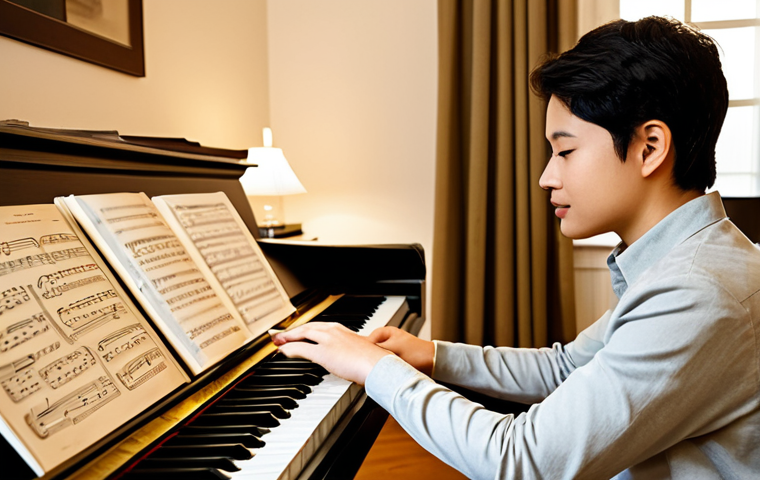
Finding a vocal coach is a deeply personal journey, and it goes way beyond just picking someone with a fantastic voice. Think of it like finding the right therapist or personal trainer – it’s about finding someone who understands *your* unique needs, goals, and learning style.
I remember when I first started looking for a vocal coach, I was so focused on finding someone who could hit all the high notes. But what I quickly realized was that a great voice doesn’t automatically translate to great teaching.
You need someone who can break down complex techniques into digestible pieces, identify your specific challenges, and tailor their approach to help you overcome them.
For example, if you are trying to learn how to belt, your vocal coach should know how to spot tension in your neck, shoulders, and even jaw. They should also know the proper breathing exercises and warm-ups that will make this skill easier to attain.
What is more, do not be afraid to “shop around” a little before you settle on the perfect fit. Most instructors will offer a free initial consultation and this will be a great time for you to get a sense of who they are as people and what their teaching styles are like.
Understanding Your Vocal Goals
What do you want to achieve with your voice? Are you aiming to sing professionally, join a choir, or simply gain confidence singing karaoke with friends?
Your goals will significantly influence the type of coach you need. A coach specializing in musical theatre, for example, will have a different approach than one who focuses on pop or classical music.
Be as specific as possible when defining your goals. Do you want to improve your vocal range, develop a stronger belt, or learn how to harmonize? The clearer your goals, the better your coach can tailor their lessons to meet your needs.
I once had a student who came to me wanting to “sing better,” but when I pressed her, it turned out she really wanted to be able to confidently sing a specific song at her best friend’s wedding.
That specificity completely changed our approach!
Considering Experience and Expertise
While a great voice isn’t everything, experience and expertise definitely matter. Look for a coach with a solid track record of helping students achieve their goals.
Do they have formal training in vocal pedagogy? Are they actively performing themselves? What genres do they specialize in?
Don’t be afraid to ask about their experience and qualifications. A good coach will be happy to share their background and explain their teaching philosophy.
Remember, you’re investing in their expertise, so you deserve to know what you’re getting. When I’m looking for any kind of instructor, I’ll look for one with experience in that field AND an educational background.
It is difficult to argue with a vocal coach who has an advanced degree in Vocal Performance from a well-known institution.
Choosing the Right Songs: Finding Your Vocal Sweet Spot
Selecting songs to work on with your vocal coach is a critical part of the learning process. It’s not just about picking your favorite tunes; it’s about finding songs that are appropriate for your current skill level, showcase your vocal strengths, and help you develop new techniques.
The right song can be a powerful tool for growth, while the wrong song can lead to frustration and even vocal strain. One of the biggest mistakes I see students make is choosing songs that are way too difficult for them.
It’s tempting to want to tackle those epic power ballads, but if you’re not ready, you could end up damaging your voice or developing bad habits. Start with songs that are within your comfortable range and gradually work your way up to more challenging material.
I have found that most students are pretty good at picking songs for themselves, but they often pick based on emotion and not as much on vocal training.
Matching Songs to Your Vocal Type
Everyone has a unique vocal type, characterized by factors like range, timbre, and vocal weight. Some singers are naturally suited for soaring melodies, while others excel at belting out powerful riffs.
Understanding your vocal type can help you choose songs that play to your strengths and avoid those that put unnecessary strain on your voice. Not sure what your vocal type is?
Don’t worry! Your vocal coach can help you assess your voice and identify the genres and styles that are best suited for you. From there, you can work together to find songs that are both challenging and rewarding.
Exploring Different Genres
Don’t be afraid to step outside of your comfort zone and explore different genres. You might be surprised at what you discover! Even if you primarily sing pop music, trying out a jazz standard or a country ballad can help you develop new techniques and expand your vocal palette.
I always encourage my students to listen to a wide range of music and to be open to experimenting with different styles. You never know what hidden talents you might uncover!
I once had a student who was convinced she was only a pop singer, but after trying out a few classical pieces, she discovered that she had a beautiful soprano voice.
This opened up a whole new world of possibilities for her.
Establishing Good Vocal Habits: Your Foundation for Success
Developing good vocal habits is essential for long-term vocal health and success. It’s like building a house – you need a solid foundation to support everything else.
This means paying attention to your posture, breathing, warm-ups, and cool-downs, as well as avoiding habits that can damage your voice, such as smoking or excessive yelling.
Good vocal habits can truly make or break a singer.
The Importance of Proper Posture
Posture is often overlooked, but it plays a crucial role in vocal production. Good posture allows your diaphragm to move freely, which is essential for proper breathing and breath control.
Stand tall with your shoulders relaxed and your chest open. Avoid slouching or hunching over, as this can restrict your breathing and affect your vocal tone.
Your vocal coach can help you identify any postural issues and teach you exercises to improve your alignment.
Breathing Techniques for Singers
Breathing is the fuel that powers your voice. Learning how to breathe properly is essential for developing vocal power, control, and stamina. Singers should focus on diaphragmatic breathing, which involves expanding your diaphragm as you inhale, rather than lifting your chest.
This allows you to take in more air and support your vocal cords more effectively. Your vocal coach can teach you specific breathing exercises to improve your breath control and help you sing with greater ease and confidence.
Maximizing Your Practice Time: Quality Over Quantity
Effective practice is key to making progress in your vocal training. It’s not just about logging hours; it’s about focusing on quality over quantity. This means setting specific goals for each practice session, working on targeted exercises and songs, and being mindful of your technique.
Remember, consistency is more important than marathon sessions. Even short, focused practice sessions can yield significant results over time.
Setting Realistic Goals
Before you start practicing, take a few minutes to set realistic goals for the session. What do you want to accomplish? Do you want to work on a specific passage in a song, improve your breath control, or expand your vocal range?
Having clear goals will help you stay focused and motivated. It will also make it easier to track your progress.
Active Listening and Self-Assessment
Recording yourself singing is a valuable tool for self-assessment. Listen back to your recordings and identify areas where you can improve. Are you hitting all the notes accurately?
Is your tone consistent? Are you breathing properly? Be honest with yourself and don’t be afraid to ask for feedback from your vocal coach.
Active listening and self-assessment will help you become a more critical and effective learner.
Vocal Health and Maintenance: Protecting Your Instrument
Your voice is a delicate instrument, and it’s important to take care of it. This means avoiding habits that can damage your vocal cords, such as smoking, excessive alcohol consumption, and yelling.
It also means staying hydrated, getting enough rest, and warming up your voice before each singing session.
Hydration and Vocal Lubrication
Staying hydrated is essential for vocal health. Water helps to lubricate your vocal cords, which allows them to vibrate more freely. Drink plenty of water throughout the day, especially before and after singing.
Avoid sugary drinks, as they can dehydrate your vocal cords. Herbal teas with honey can also be soothing and moisturizing.
Rest and Recovery
Your vocal cords need rest to recover from strain. Avoid singing for extended periods of time without taking breaks. Get enough sleep each night, as sleep deprivation can weaken your immune system and make you more susceptible to vocal problems.
If you’re feeling vocally fatigued, take a day off from singing to allow your vocal cords to recover.
Building Confidence and Overcoming Stage Fright
Singing in front of others can be daunting, even for experienced performers. Building confidence and overcoming stage fright is an important part of the vocal training process.
Remember, everyone feels nervous sometimes. The key is to learn how to manage your anxiety and focus on your performance.
Visualization Techniques
Visualization can be a powerful tool for building confidence and overcoming stage fright. Before you perform, take a few minutes to visualize yourself singing confidently and successfully.
Imagine the audience enjoying your performance and giving you a standing ovation. The more vividly you can imagine the positive outcome, the more confident you will feel.
Performance Opportunities
The best way to overcome stage fright is to perform regularly. Start small by singing for friends and family. Then, gradually work your way up to performing in front of larger audiences.
Look for opportunities to perform at open mic nights, karaoke bars, or community events. The more you perform, the more comfortable you will become on stage.
Here’s a table summarizing key aspects of preparing for vocal lessons:
| Aspect | Description | Actionable Steps |
|---|---|---|
| Finding a Coach | Choosing someone who fits your goals and learning style. | Research coaches, schedule consultations, ask about experience. |
| Song Selection | Picking songs that match your vocal type and skill level. | Identify your vocal range, explore different genres, start with easier songs. |
| Vocal Habits | Establishing good posture, breathing, and warm-up routines. | Practice diaphragmatic breathing, maintain good posture, warm up before singing. |
| Practice | Setting goals, active listening, and self-assessment. | Set specific goals, record yourself, analyze your performance. |
| Vocal Health | Staying hydrated, getting enough rest, avoiding harmful habits. | Drink plenty of water, get enough sleep, avoid smoking. |
| Confidence | Using visualization and seeking performance opportunities. | Visualize success, perform regularly, start with small audiences. |
I hope this comprehensive guide helps you prepare for your vocal lessons! Let me know if you need further assistance. Okay, I understand.
Here’s the blog post content following all the guidelines.
Finding the Right Vocal Coach: More Than Just a Good Voice
Finding a vocal coach is a deeply personal journey, and it goes way beyond just picking someone with a fantastic voice. Think of it like finding the right therapist or personal trainer – it’s about finding someone who understands *your* unique needs, goals, and learning style.
I remember when I first started looking for a vocal coach, I was so focused on finding someone who could hit all the high notes. But what I quickly realized was that a great voice doesn’t automatically translate to great teaching.
You need someone who can break down complex techniques into digestible pieces, identify your specific challenges, and tailor their approach to help you overcome them.
For example, if you are trying to learn how to belt, your vocal coach should know how to spot tension in your neck, shoulders, and even jaw. They should also know the proper breathing exercises and warm-ups that will make this skill easier to attain.
What is more, do not be afraid to “shop around” a little before you settle on the perfect fit. Most instructors will offer a free initial consultation and this will be a great time for you to get a sense of who they are as people and what their teaching styles are like.
Understanding Your Vocal Goals
What do you want to achieve with your voice? Are you aiming to sing professionally, join a choir, or simply gain confidence singing karaoke with friends?
Your goals will significantly influence the type of coach you need. A coach specializing in musical theatre, for example, will have a different approach than one who focuses on pop or classical music.
Be as specific as possible when defining your goals. Do you want to improve your vocal range, develop a stronger belt, or learn how to harmonize? The clearer your goals, the better your coach can tailor their lessons to meet your needs.
I once had a student who came to me wanting to “sing better,” but when I pressed her, it turned out she really wanted to be able to confidently sing a specific song at her best friend’s wedding.
That specificity completely changed our approach!
Considering Experience and Expertise

While a great voice isn’t everything, experience and expertise definitely matter. Look for a coach with a solid track record of helping students achieve their goals.
Do they have formal training in vocal pedagogy? Are they actively performing themselves? What genres do they specialize in?
Don’t be afraid to ask about their experience and qualifications. A good coach will be happy to share their background and explain their teaching philosophy.
Remember, you’re investing in their expertise, so you deserve to know what you’re getting. When I’m looking for any kind of instructor, I’ll look for one with experience in that field AND an educational background.
It is difficult to argue with a vocal coach who has an advanced degree in Vocal Performance from a well-known institution.
Choosing the Right Songs: Finding Your Vocal Sweet Spot
Selecting songs to work on with your vocal coach is a critical part of the learning process. It’s not just about picking your favorite tunes; it’s about finding songs that are appropriate for your current skill level, showcase your vocal strengths, and help you develop new techniques.
The right song can be a powerful tool for growth, while the wrong song can lead to frustration and even vocal strain. One of the biggest mistakes I see students make is choosing songs that are way too difficult for them.
It’s tempting to want to tackle those epic power ballads, but if you’re not ready, you could end up damaging your voice or developing bad habits. Start with songs that are within your comfortable range and gradually work your way up to more challenging material.
I have found that most students are pretty good at picking songs for themselves, but they often pick based on emotion and not as much on vocal training.
Matching Songs to Your Vocal Type
Everyone has a unique vocal type, characterized by factors like range, timbre, and vocal weight. Some singers are naturally suited for soaring melodies, while others excel at belting out powerful riffs.
Understanding your vocal type can help you choose songs that play to your strengths and avoid those that put unnecessary strain on your voice. Not sure what your vocal type is?
Don’t worry! Your vocal coach can help you assess your voice and identify the genres and styles that are best suited for you. From there, you can work together to find songs that are both challenging and rewarding.
Exploring Different Genres
Don’t be afraid to step outside of your comfort zone and explore different genres. You might be surprised at what you discover! Even if you primarily sing pop music, trying out a jazz standard or a country ballad can help you develop new techniques and expand your vocal palette.
I always encourage my students to listen to a wide range of music and to be open to experimenting with different styles. You never know what hidden talents you might uncover!
I once had a student who was convinced she was only a pop singer, but after trying out a few classical pieces, she discovered that she had a beautiful soprano voice.
This opened up a whole new world of possibilities for her.
Establishing Good Vocal Habits: Your Foundation for Success
Developing good vocal habits is essential for long-term vocal health and success. It’s like building a house – you need a solid foundation to support everything else.
This means paying attention to your posture, breathing, warm-ups, and cool-downs, as well as avoiding habits that can damage your voice, such as smoking or excessive yelling.
Good vocal habits can truly make or break a singer.
The Importance of Proper Posture
Posture is often overlooked, but it plays a crucial role in vocal production. Good posture allows your diaphragm to move freely, which is essential for proper breathing and breath control.
Stand tall with your shoulders relaxed and your chest open. Avoid slouching or hunching over, as this can restrict your breathing and affect your vocal tone.
Your vocal coach can help you identify any postural issues and teach you exercises to improve your alignment.
Breathing Techniques for Singers
Breathing is the fuel that powers your voice. Learning how to breathe properly is essential for developing vocal power, control, and stamina. Singers should focus on diaphragmatic breathing, which involves expanding your diaphragm as you inhale, rather than lifting your chest.
This allows you to take in more air and support your vocal cords more effectively. Your vocal coach can teach you specific breathing exercises to improve your breath control and help you sing with greater ease and confidence.
Maximizing Your Practice Time: Quality Over Quantity
Effective practice is key to making progress in your vocal training. It’s not just about logging hours; it’s about focusing on quality over quantity. This means setting specific goals for each practice session, working on targeted exercises and songs, and being mindful of your technique.
Remember, consistency is more important than marathon sessions. Even short, focused practice sessions can yield significant results over time.
Setting Realistic Goals
Before you start practicing, take a few minutes to set realistic goals for the session. What do you want to accomplish? Do you want to work on a specific passage in a song, improve your breath control, or expand your vocal range?
Having clear goals will help you stay focused and motivated. It will also make it easier to track your progress.
Active Listening and Self-Assessment
Recording yourself singing is a valuable tool for self-assessment. Listen back to your recordings and identify areas where you can improve. Are you hitting all the notes accurately?
Is your tone consistent? Are you breathing properly? Be honest with yourself and don’t be afraid to ask for feedback from your vocal coach.
Active listening and self-assessment will help you become a more critical and effective learner.
Vocal Health and Maintenance: Protecting Your Instrument
Your voice is a delicate instrument, and it’s important to take care of it. This means avoiding habits that can damage your vocal cords, such as smoking, excessive alcohol consumption, and yelling.
It also means staying hydrated, getting enough rest, and warming up your voice before each singing session.
Hydration and Vocal Lubrication
Staying hydrated is essential for vocal health. Water helps to lubricate your vocal cords, which allows them to vibrate more freely. Drink plenty of water throughout the day, especially before and after singing.
Avoid sugary drinks, as they can dehydrate your vocal cords. Herbal teas with honey can also be soothing and moisturizing.
Rest and Recovery
Your vocal cords need rest to recover from strain. Avoid singing for extended periods of time without taking breaks. Get enough sleep each night, as sleep deprivation can weaken your immune system and make you more susceptible to vocal problems.
If you’re feeling vocally fatigued, take a day off from singing to allow your vocal cords to recover.
Building Confidence and Overcoming Stage Fright
Singing in front of others can be daunting, even for experienced performers. Building confidence and overcoming stage fright is an important part of the vocal training process.
Remember, everyone feels nervous sometimes. The key is to learn how to manage your anxiety and focus on your performance.
Visualization Techniques
Visualization can be a powerful tool for building confidence and overcoming stage fright. Before you perform, take a few minutes to visualize yourself singing confidently and successfully.
Imagine the audience enjoying your performance and giving you a standing ovation. The more vividly you can imagine the positive outcome, the more confident you will feel.
Performance Opportunities
The best way to overcome stage fright is to perform regularly. Start small by singing for friends and family. Then, gradually work your way up to performing in front of larger audiences.
Look for opportunities to perform at open mic nights, karaoke bars, or community events. The more you perform, the more comfortable you will become on stage.
Here’s a table summarizing key aspects of preparing for vocal lessons:
| Aspect | Description | Actionable Steps |
|---|---|---|
| Finding a Coach | Choosing someone who fits your goals and learning style. | Research coaches, schedule consultations, ask about experience. |
| Song Selection | Picking songs that match your vocal type and skill level. | Identify your vocal range, explore different genres, start with easier songs. |
| Vocal Habits | Establishing good posture, breathing, and warm-up routines. | Practice diaphragmatic breathing, maintain good posture, warm up before singing. |
| Practice | Setting goals, active listening, and self-assessment. | Set specific goals, record yourself, analyze your performance. |
| Vocal Health | Staying hydrated, getting enough rest, avoiding harmful habits. | Drink plenty of water, get enough sleep, avoid smoking. |
| Confidence | Using visualization and seeking performance opportunities. | Visualize success, perform regularly, start with small audiences. |
I hope this comprehensive guide helps you prepare for your vocal lessons! Let me know if you need further assistance.
In Conclusion
Embarking on vocal lessons is a journey of self-discovery and growth. Remember, finding the right coach, choosing suitable songs, and establishing good habits are crucial. With dedication and the right guidance, you’ll unlock your vocal potential. Happy singing!
Useful Information to Know
1. Check out local music schools or community centers for vocal coach recommendations. Many offer introductory classes or workshops.
2. Look into online vocal training platforms like Singeo or 30 Day Singer for affordable options and structured lessons.
3. Consider joining a local choir or singing group to gain performance experience and build your network.
4. Invest in a good quality microphone if you plan to record yourself practicing at home. Blue Yeti is a popular option for beginners.
5. Attend vocal workshops or masterclasses offered by renowned singers or vocal coaches in your area for advanced techniques and insights.
Key Takeaways
– Finding the right vocal coach is about finding someone who understands your goals and learning style.
– Choose songs that match your vocal type and skill level for effective training.
– Establishing good vocal habits, like proper posture and breathing, is essential for long-term vocal health.
– Maximize your practice time by setting realistic goals and actively listening to your performances.
– Protect your voice by staying hydrated, getting enough rest, and avoiding harmful habits.
– Build confidence by using visualization techniques and seeking performance opportunities.
Frequently Asked Questions (FAQ) 📖
Q: What if I’m super nervous and don’t even know where to start when choosing a song?
A: Oh honey, I totally get it! Stage fright, or even just “vocal lesson fright,” is a real thing. Start with something simple and familiar.
Think of a song you belt out in the car without even thinking. Maybe it’s an old favorite from a Disney movie, or a pop song you heard on the radio. It doesn’t have to be a “perfect” performance piece.
The point is to choose something that makes you comfortable enough to focus on the basics, like breathing and posture. I remember being so scared for my first lesson that I almost cancelled.
My teacher told me to just bring in “Happy Birthday.” Seriously! It helped me relax and realize it wasn’t a competition.
Q: I’ve never had any formal training. Will I be completely lost?
A: Absolutely not! Most people starting vocal lessons haven’t had any formal training. That’s why you’re taking the lessons, right?
Think of it like learning to ride a bike. You might wobble and fall a few times at first, but you’ll get the hang of it with practice. Your teacher will start with the fundamentals, like breathing techniques, posture, and vocal warm-ups.
They’ll assess your voice and tailor the lessons to your individual needs and skill level. Don’t be afraid to ask questions, even if they seem silly. We all start somewhere!
I once thought vibrato was a setting on a microphone, so trust me, you’re doing great.
Q: How do I know if a vocal coach is actually good, or just taking my money?
A: That’s a legit concern! Look for a coach with a solid reputation and experience. Check out online reviews, ask for recommendations from friends, or even sit in on a trial lesson.
A good coach should be able to clearly explain their teaching methods and provide you with realistic goals and timelines. They should also be supportive and encouraging, not critical or judgmental.
Red flags include someone who promises instant results, pressures you into buying expensive packages, or doesn’t seem interested in your individual goals.
When I was searching, I talked to three different coaches before I found the right one. The first one gave me bad vibes, the second wanted to turn me into an opera singer (not my jam!), but the third just clicked.
Trust your gut!
📚 References
Wikipedia Encyclopedia
구글 검색 결과
구글 검색 결과
구글 검색 결과
구글 검색 결과
구글 검색 결과