Hey there, future vocal powerhouses and passionate trainers! You know, there’s nothing quite like the journey of truly mastering your voice, whether you’re building your own artistry or guiding others to find theirs.

It’s a path I’ve walked for years, full of incredible discoveries and some “aha!” moments that genuinely change everything. We often talk about vocal “talent,” but honestly, it’s the structured development process that transforms potential into pure, undeniable skill, and that’s where the magic truly happens.
From my own experience, staying updated on the newest techniques – think personalized AI feedback, innovative breathwork, and even the psychology behind performance – is absolutely crucial, especially in today’s fast-evolving music landscape.
It’s not just about hitting the notes; it’s about understanding the entire physiological and emotional connection to sound. So, if you’re ready to unlock new levels in your vocal journey or refine your coaching methods, you’re in the right place.
Let’s accurately find out more together!
Beyond “Talent”: Cultivating True Vocal Craftsmanship
Embracing the Journey of Continuous Growth
I’ve seen countless aspiring singers, and even some seasoned pros, get caught up in the idea that some people are just “born with it.” While natural aptitude certainly gives you a head start, I’ve consistently found that consistent, intelligent practice trumps raw talent every single time.
It’s not about being handed a gift; it’s about diligently unwrapping it, piece by piece, day after day. My own journey wasn’t a straight shot to vocal perfection; it was a winding road of trial, error, and persistent learning.
I remember years ago, hitting what felt like a plateau, convinced I’d reached my limit. But then I tweaked my practice routine, started focusing on smaller, more precise vocal exercises, and suddenly, new possibilities opened up.
It’s that dedication to the craft, the willingness to continually refine and adapt, that truly distinguishes a good singer from a great one, and a capable coach from a transformative mentor.
You see, the voice is an instrument that’s always evolving, and our understanding of it should be too.
The Interplay of Physiology and Artistry
When we talk about voice, it’s impossible to separate the physical mechanics from the artistic expression. They are two sides of the same coin, deeply intertwined.
I’ve noticed that many beginners focus solely on hitting the right notes, which is understandable, but that’s just scratching the surface. True artistry emerges when you understand how your entire body acts as a resonating chamber, how your breath supports every nuance, and how even the smallest muscular adjustments can dramatically alter your tone.
For instance, I used to struggle with certain high notes, not realizing it was tension in my jaw and tongue, not a lack of vocal cord strength, that was holding me back.
Once I learned to relax those areas through targeted exercises – often with my tongue sticking out, which felt silly but worked wonders – my range expanded seemingly overnight.
This holistic approach, recognizing that the voice is part of a larger, incredibly intricate system, is what allows for true freedom and authentic expression in singing.
It’s about building a robust foundation that supports your most ambitious artistic visions.
Harnessing the Power of Breath: Your Voice’s Engine Room
Deep Dives into Diaphragmatic Mastery
Let’s get real about breathing for a moment, because honestly, it’s one of the most misunderstood aspects of singing. Everyone talks about “singing from your diaphragm,” but what does that *really* mean?
From my personal experience, it’s less about consciously “pushing” and more about allowing your body to naturally expand and support. I recall early in my training, I was often told to “take a big breath,” which often led to shallow, chest-dominant breathing and tension in my throat.
It wasn’t until I started focusing on gentle, expansive inhales that allowed my abdomen to visibly expand outwards, while keeping my shoulders relaxed, that I truly felt the difference.
It’s like filling a balloon from the bottom up. One simple yet profound exercise I’ve found incredibly useful for diaphragmatic breathing is lying on your back with a book on your stomach.
As you inhale, watch the book rise; as you exhale, it falls. This visual feedback helps solidify the sensation of deep, foundational breath support. Proper posture also plays a crucial role here; a relaxed, aligned body enables your diaphragm to function optimally.
The Nuance of Breath Control for Expressive Singing
Once you’ve got diaphragmatic breathing down, the next frontier is breath control – and this is where the magic of expressive singing truly begins. It’s not just about taking a big breath; it’s about how you manage that air, how slowly or quickly you release it, and how you sustain phrases without running out of steam or sounding airy.
I often tell my students it’s like being a skilled chef; you have all the ingredients (your breath), but how you blend and distribute them throughout the dish (the song) makes all the difference.
For advanced singers, it’s about finding that sweet spot of breath pressure – not too much, which can strain the cords, and not too little, which leads to a breathy, unsupported sound.
I’ve found that semi-occluded vocal tract exercises, like singing through a straw into water or doing lip trills, are brilliant for developing this nuanced control.
They provide back pressure that helps the vocal folds phonate efficiently without excessive breath force. It creates a feeling of resistance in the sternum that helps maintain consistent airflow and prevents “leaking” air.
Another quick tip I personally use is a controlled hiss exhale; try to make the hiss as long, even, and relaxed as possible. Time yourself, and then try to beat your own record.
This builds incredible stamina and control that directly translates to those long, beautiful vocal lines.
The Mind-Voice Connection: Unlocking Performance Psychology
Conquering Stage Fright and Cultivating Confidence
You know, it’s funny how many incredible singers I’ve worked with who have truly debilitating stage fright. It’s something I’ve grappled with myself over the years, and I can tell you, it’s not a sign of weakness; it’s a natural physiological response.
The trick isn’t to eliminate nerves entirely – good luck with that! – but to manage them and channel that energy into your performance. I remember one pivotal moment early in my career, I was so nervous before a big audition that my throat felt like it was closing up.
I tried everything, but what truly helped was a simple visualization technique: I imagined myself already having delivered a phenomenal performance, feeling the audience’s positive energy.
This positive self-talk and mental rehearsal can literally transform your internal dialogue from critical to encouraging. It’s about building confidence from the inside out.
Regularly practicing relaxation techniques, like deep breathing and meditation, even for just a few minutes a day, can significantly reduce overall stress levels, allowing your natural voice to shine through.
It’s not just about the notes; it’s about the emotional resilience you bring to the stage.
Emotional Resonance: Singing from the Heart, Not Just the Throat
Singing is arguably one of the most direct forms of emotional expression, and when a performance truly moves us, it’s because the singer is tapping into something authentic.
I’ve always believed that your voice is an emotional mirror; your mood directly shapes your vocal performance. When I’m feeling joyful, my voice often sounds brighter and more open, but when I’m stressed or sad, it can feel heavy or strained.
This isn’t just anecdotal; research shows that emotions directly influence the muscles controlling our voice. To truly connect with an audience, you have to sing with your whole being, not just your vocal cords.
One technique I’ve found profoundly effective is focusing on the storytelling aspect of a song. Instead of just singing the words, speak the lyrics like poetry, really understanding the “why” behind each phrase and who you’re speaking to.
This transforms a technically perfect rendition into a genuinely compelling experience. It’s about allowing your vulnerabilities and your triumphs to flow through your sound, creating a performance that is both technically sound and deeply human.
Navigating the Digital Soundscape: AI as Your Practice Partner
Real-time Feedback: The Game-Changer for Self-Correction
The world of vocal training has seen some amazing shifts, and honestly, AI is becoming a truly fascinating, albeit supplementary, tool. I’ve been experimenting with various AI-powered apps, and I have to say, the instant, real-time feedback is a game-changer for many singers, especially those practicing alone.
Imagine hitting a note and immediately seeing on your screen if you were sharp or flat, or if your timing was off. Apps like EarMaster, Perfect Ear, and even Yousician offer this kind of pitch and timing analysis, which, for me, has been invaluable for self-correction.
It’s like having a patient, non-judgmental ear constantly monitoring your progress. While it doesn’t replace the nuanced guidance of a human coach, it certainly accelerates the foundational learning process.
I’ve personally used these tools to fine-tune my pitch recognition and sight-singing skills, and they’ve helped me identify subtle issues I might have otherwise missed.
This immediate feedback loop is incredibly powerful for developing stronger technical foundations.
Where AI Shines and Human Coaches Reign Supreme
Now, while AI offers incredible capabilities, especially for quantitative feedback like pitch accuracy or rhythm, it’s crucial to understand its limitations.
I’ve worked with students who initially tried AI coaches and found themselves hitting a wall because the apps couldn’t address the qualitative aspects of singing – things like tone, timbre, emotional delivery, or even the subtle physiological adjustments needed to correct unhealthy habits.
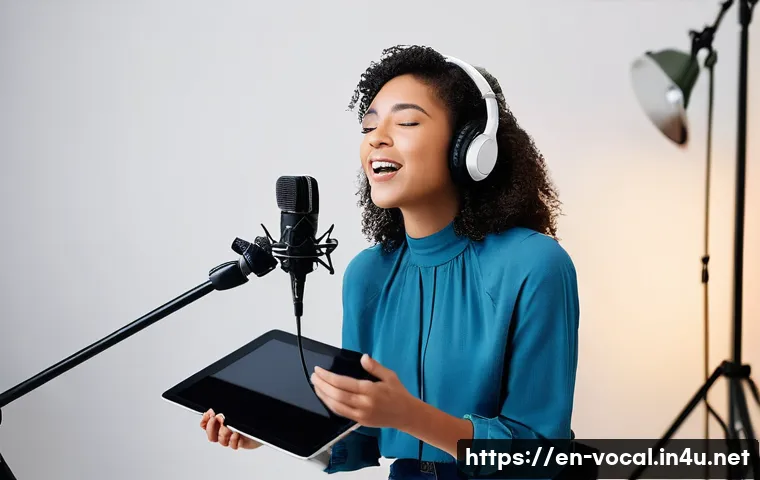
An AI can tell you *if* you’re off-pitch, but it can’t tell you *why* your tone sounds strained, or how to truly connect with the emotion of a song. It lacks the human intuition, encouragement, and deep anatomical knowledge that a skilled vocal coach possesses.
For instance, I’ve had to make physical adjustments for students to help them release tongue tension or find proper resonance, something an algorithm simply can’t do.
So, while AI tools are fantastic for drilling technical skills and getting basic feedback, for true vocal development, artistry, and sustained vocal health, there’s absolutely no substitute for a human coach with a trained ear and an empathetic approach.
Think of AI as an excellent practice companion, but your human coach is still your primary guide on this intricate journey.
| Feature | AI Vocal Coach | Human Vocal Coach |
|---|---|---|
| Real-time Pitch/Rhythm Feedback | High (Excellent for objective data) | Medium (Subjective, but highly accurate with trained ear) |
| Personalized Exercise Adaptation | Medium (Based on algorithms, can be generic) | High (Tailored to individual voice, goals, and personality) |
| Tone, Timbre, and Aesthetic Guidance | Low (Struggles with qualitative analysis) | High (Intuitive, expert guidance on vocal quality) |
| Emotional & Performance Psychology | Very Low (Cannot interpret or guide emotional expression) | High (Crucial for building confidence and stage presence) |
| Physical Adjustments & Tension Release | None (Lacks physical interaction) | High (Can provide hands-on guidance and diagnose issues) |
| Vocal Health & Longevity Advice | Medium (General advice based on data) | High (Personalized, experienced guidance; can refer to specialists) |
Safeguarding Your Instrument: Essential Vocal Health Practices
Daily Rituals for Long-Term Vocal Longevity
Your voice is your instrument, your livelihood, and your artistic medium, so taking care of it is paramount – non-negotiable, really! I’ve learned this the hard way over the years, pushing my voice too hard in my younger days and paying the price with fatigue and even temporary loss of range.
Now, my daily vocal health routine is as ingrained as brushing my teeth. It starts with hydration, and I mean *serious* hydration. Drinking plenty of water throughout the day is crucial for keeping those vocal folds lubricated.
I also swear by gentle vocal warm-ups and cool-downs, even on days I’m not performing or teaching extensively. Simple lip trills, humming, and gentle vocal slides are my go-to’s.
They prepare your voice for use and help it recover afterward, preventing strain. And honestly, getting enough sleep? Underrated.
When I’m well-rested, my voice feels vibrant and ready; when I’m tired, it’s the first thing to suffer. Maintaining a balanced diet and regular exercise also contributes significantly to overall vocal health, as your entire body supports your voice.
It’s a holistic approach, recognizing that a healthy body makes for a healthy voice.
Recognizing and Addressing Vocal Challenges Early
One of the most valuable lessons I’ve learned is the importance of listening to your body and recognizing the subtle signals of vocal strain or fatigue.
As a vocal professional, it’s easy to push through discomfort, but that can lead to serious issues down the line, like vocal nodules or polyps, which no singer wants to deal with.
If I ever experience persistent hoarseness, pain, or any sudden changes in my vocal quality or range, I take it seriously. That might mean immediate vocal rest, avoiding speaking loudly or whispering, and sometimes, seeking advice from a medical professional or speech pathologist specializing in voice.
I remember a time when I felt a persistent tickle in my throat that just wouldn’t go away. Instead of ignoring it, I immediately increased my hydration, rested my voice, and did some gentle steaming with salt water and iodine, which I’ve found incredibly soothing.
It’s about being proactive, not reactive. Catching potential issues early on can prevent them from escalating and safeguard your voice for years to come.
Your voice is too precious to neglect.
Building a Thriving Vocal Enterprise: Sharing Your Expertise
Crafting Your Unique Coaching Brand in a Crowded Market
Stepping into the world of vocal coaching means you’re entering a vibrant, but definitely competitive, space. From my own experience, simply being a good singer isn’t enough; you need to carve out your unique niche and build a compelling brand.
What makes *your* approach different? Do you specialize in pop, musical theatre, classical, or perhaps helping people find their speaking voice? I’ve found that articulating what makes my teaching methodology special – my blend of technical precision, emotional intelligence, and real-world performance experience – has been crucial.
Don’t be afraid to share your own journey, your successes, and even your struggles, because that’s what builds connection and trust. A professional online presence, including a well-designed website and active social media profiles, is non-negotiable in today’s digital landscape.
Share valuable content – free tips, vocal exercises, success stories – to establish yourself as an authority. It’s about creating an irresistible allure that draws aspiring singers to your unique expertise.
Diversifying Your Income Streams Beyond 1-on-1 Lessons
While one-on-one lessons are the bread and butter for many vocal coaches, I’ve learned that true financial stability and growth come from diversifying your income.
Relying solely on hourly sessions can lead to burnout and cap your earning potential. I’ve personally explored various avenues that have broadened my reach and significantly boosted my income.
Think beyond the studio walls! Offering group workshops, masterclasses, or even creating online courses or digital products like vocal warm-up guides or specialized exercise programs can be incredibly effective.
You can also monetize your own singing talent through performance gigs, session work for other artists, or even creating a YouTube channel with ad revenue and sponsorships.
Consider affiliate marketing for vocal products you genuinely believe in. For instance, I’ve created a series of downloadable warm-up routines that passive income while I’m teaching or performing.
It’s about being creative, proactive, and understanding that your expertise has value in many different forms. The opportunities are truly endless if you’re willing to explore them.
Wrapping Things Up
Well, friends, we’ve covered a lot of ground today, haven’t we? From nurturing your natural abilities to harnessing the incredible power of breath, understanding the psychology behind every performance, and even peeking into the future with AI, it’s clear that the journey of vocal mastery is as vast as it is rewarding. Remember, whether you’re a seasoned pro or just starting to find your voice, consistent dedication, smart practice, and a genuine love for the craft are your most powerful tools. Embrace every step, celebrate every small victory, and never stop exploring the endless possibilities your voice holds. Keep singing, keep learning, and keep inspiring!
Useful Information to Keep Handy
Here are some practical tips I’ve personally found indispensable on my vocal journey, things that truly make a difference for long-term vocal health and performance:
1. Hydration is non-negotiable! Seriously, drink plenty of water throughout the day. Your vocal cords thrive on lubrication, and adequate hydration helps keep that delicate mucosal layer healthy, preventing strain and ensuring smooth sound production.
2. Always warm up your voice before singing or extensive speaking, and cool down afterward. Gentle exercises like humming, lip trills, and vocal slides prepare your instrument and aid recovery, protecting it from fatigue and potential injury.
3. Listen to your body and honor vocal rest when needed. Pushing through hoarseness or pain can lead to serious vocal issues. If something feels off, rest your voice and consider consulting a specialist.
4. Maintain good posture. It’s not just about looking confident; proper alignment allows for optimal breath support and reduces tension in your neck and shoulders, freeing your voice to perform its best.
5. While AI tools can offer fantastic real-time feedback for technical aspects like pitch and rhythm, remember they are supplementary. For nuanced artistic development, emotional connection, and personalized physiological adjustments, a human vocal coach remains irreplaceable.
Key Takeaways
At the heart of every great voice lies a blend of dedication, informed practice, and holistic self-care. It’s not merely about innate “talent,” but rather the continuous cultivation of skill through consistent effort and intelligent application of technique. From mastering diaphragmatic breathing to conquering performance anxiety, every aspect of your well-being directly impacts your vocal prowess. While cutting-edge AI offers valuable data for self-correction and technical refinement, the profound artistry and sustained health of your voice still profoundly depend on the intuitive guidance of a human coach and a commitment to vocal hygiene. Embrace this exciting journey with an open mind, a disciplined approach, and a deep respect for your incredible instrument.
Frequently Asked Questions (FAQ) 📖
Q: Is natural talent enough, or do I really need structured training to unlock my full vocal potential?
A: Oh, this is a question I hear all the time, and it’s such a good one! From my personal journey and working with countless singers, I’ve come to truly believe that while natural talent can give you a fantastic head start, it’s the structured training that truly transforms potential into undeniable mastery.
Think of talent like a beautiful raw gem; it has incredible potential, but it needs careful cutting, polishing, and shaping to truly sparkle. That’s what dedicated training does for your voice.
When I first started out, I thought my natural ability would carry me, but I quickly realized that consistent practice, understanding vocal anatomy, mastering breath control, and learning proper technique were the real game-changers.
Without that foundation, you hit plateaus, risk injury, and miss out on so much of what your voice is truly capable of. It’s about building a robust, reliable instrument, not just relying on fleeting inspiration.
Q: You mentioned personalized
A: I feedback – how can that actually help improve my singing or coaching methods? A2: Okay, let’s dive into something truly exciting: personalized AI feedback!
When I first heard about AI in vocal training, I admit I was a little skeptical. Could a machine really understand the nuances of the human voice? But after incorporating it into my own practice and recommending it to students, I’m genuinely blown away by its impact.
Imagine having a non-judgmental, hyper-accurate vocal analyst right there with you. It’s not about replacing human coaches, but augmenting them. AI tools can analyze your pitch precision, rhythm accuracy, breath consistency, and even identify subtle inconsistencies in your tone that you might not even notice.
For instance, I used an AI app that pinpointed a slight tendency I had to flatten on certain sustained notes – something I’d never quite been able to self-diagnose.
It gives you objective data, tracks your progress over time, and can even suggest targeted exercises. For coaches, it provides an invaluable second pair of “ears” and concrete data to share with students, making lessons incredibly efficient and personalized.
It’s like having a super-powered assistant helping you refine every single vocal nuance!
Q: With so many new techniques and evolving trends, how do I stay updated and ensure I’m using the most effective methods for myself or my students?
A: This is where the thrill of continuous learning really comes into play, isn’t it? The vocal world is constantly evolving, and that’s precisely what makes it so dynamic and exciting!
For me, staying updated isn’t just about reading articles; it’s a multi-faceted approach. First, I make it a point to actively engage with the global vocal community.
This means attending online workshops, joining professional forums, and even connecting with other coaches on social media to see what techniques they’re raving about.
I also love to experiment with new technologies and methodologies myself. Before recommending anything to my students, I always try it out. Does this new breathwork technique actually make a difference for me?
Does this new app truly deliver on its promises? It’s about being a vocal detective! And honestly, a huge part of it is listening to my students.
Their feedback, their struggles, and their breakthroughs often point towards areas where new approaches might be beneficial. It’s a wonderful blend of scientific curiosity, practical application, and staying deeply connected to the human element of voice.
Never stop being a student yourself, and you’ll always have something fresh and effective to offer!