So, you’re passionate about singing and you dream of helping others find their voice, perhaps even reaching their full potential? I totally get that! The journey to becoming a vocal trainer is incredibly rewarding, but let me tell you, it’s more than just being a great singer yourself.
It involves diving deep into vocal anatomy, understanding diverse teaching methods, and continually honing your own skills to adapt to every unique voice that comes your way.
Having personally navigated this path, I’ve seen firsthand how crucial comprehensive education and practical experience are in truly making an impact.
It’s a field constantly evolving with new scientific insights and technological advancements, making it an exciting time to be a part of it. Ready to turn your passion into a profession and guide aspiring singers to vocal mastery?
We’ll explore exactly what it takes to embark on this fulfilling career, covering everything from essential training to modern pedagogical approaches.
Let’s get into the specifics!So, you’re passionate about singing and you dream of helping others find their voice, perhaps even reaching their full potential?
I totally get that! The journey to becoming a vocal trainer is incredibly rewarding, but let me tell you, it’s more than just being a great singer yourself.
It involves diving deep into vocal anatomy, understanding diverse teaching methods, and continually honing your own skills to adapt to every unique voice that comes your way.
Having personally navigated this path, I’ve seen firsthand how crucial comprehensive education and practical experience are in truly making an impact.
It’s a field constantly evolving with new scientific insights and technological advancements, making it an exciting time to be a part of it. Ready to turn your passion into a profession and guide aspiring singers to vocal mastery?
We’ll explore exactly what it takes to embark on this fulfilling career, covering everything from essential training to modern pedagogical approaches.
Let’s get into the specifics!
Unpacking the Science of Sound: Vocal Anatomy & Physiology
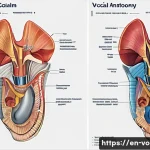
Okay, so you love to sing, right? Me too! But trust me, falling in love with the sound of your own voice is one thing; understanding the intricate mechanics behind *every* sound is a whole different ball game. When I first started this journey, I thought being a good singer was enough. Boy, was I wrong! Diving deep into vocal anatomy and physiology was like unlocking a secret code. You’ll learn about the larynx, those amazing vocal folds, the resonating cavities – your mouth, nose, pharynx – and how breath support from your diaphragm and intercostal muscles is the literal engine of it all. It’s not just about knowing the names; it’s about understanding how these parts interact, how they can be damaged, and most importantly, how to optimize them for healthy, powerful singing. I remember countless hours pouring over diagrams, feeling my own throat, trying to internalize the sensations. It’s a foundational skill that will prevent you from giving bad advice and potentially harming a student’s voice. Seriously, don’t skimp on this part; it’s the bedrock of your expertise.
The Larynx and Vocal Folds: Your Inner Instrument
Let’s get up close and personal with the star of the show: the larynx, or voice box. Inside this complex structure are your vocal folds (often mistakenly called vocal cords), which vibrate thousands of times per second to create sound. Understanding their structure – the layers of muscle, ligament, and mucosa – is crucial. You’ll learn how they stretch and thin for high notes, thicken for low notes, and how proper closure prevents air leakage. From personal experience, a deep understanding of concepts like the Bernoulli effect and mucosal wave helps you explain complex vocal phenomena to students in an accessible way. It’s not enough to say “sing higher”; you need to know *how* the folds are adjusting and *why* a particular exercise will facilitate that adjustment. This knowledge is what differentiates a good vocal coach from a truly great one.
Breath Support: The Powerhouse Behind Every Note
If the vocal folds are the instrument, then breath support is the power supply. Without proper breath, even the most beautiful voice can sound weak, strained, or flat. I’ve seen so many aspiring singers struggle because they’re pushing from their throat instead of engaging their core. Teaching effective diaphragmatic breathing – the foundation of efficient vocal production – will be a significant part of your coaching. This isn’t just about taking a deep breath; it’s about controlling the exhale, managing air pressure, and supporting the sound consistently. It’s a physical skill that requires patience and consistent practice, both for you and your students. Trust me, mastering the science of breath will transform your students’ singing and keep their voices healthy for years to come.
Crafting Your Teaching Philosophy: Pedagogical Approaches
Once you’ve got the science down, it’s time to think about *how* you’re going to teach it. Just as there are many ways to skin a cat, there are countless pedagogical approaches to vocal training. What resonates with one student might fall flat with another, and that’s where your personal teaching philosophy comes into play. You need to develop a flexible yet consistent methodology that’s rooted in sound principles but adaptable to individual needs. I’ve personally experimented with various techniques – from classical bel canto methods to contemporary pop vocalizations – and found that a hybrid approach often works best. It’s about being a vocal detective, figuring out what a student needs and then pulling the right tool from your ever-expanding toolbox. This takes time, practice, and a willingness to be a lifelong learner yourself. Your unique philosophy is what will attract your ideal students and build your reputation.
Classical Foundations vs. Contemporary Techniques
The world of vocal pedagogy is vast, encompassing everything from time-honored classical training to cutting-edge contemporary vocal methods. Classical training, with its emphasis on breath management, resonant tone, and sustained legato lines, provides an incredible foundation for healthy vocal production. However, it might not directly address the stylistic demands of pop, rock, or R&B. Contemporary techniques, on the other hand, often focus on stylistic flexibility, belting, and microphone technique. My advice? Don’t pick a side! Understand both. A classical foundation can protect a contemporary singer from injury, and contemporary techniques can help a classically trained singer diversify their skill set. I remember one student who came to me wanting to belt like their favorite pop star but had never learned proper breath support. Blending classical breathing exercises with contemporary stylistic approaches was key to helping them achieve their goal safely and effectively. It’s about intelligent integration, not strict adherence to one school of thought.
Tailoring Lessons to Individual Needs: The Art of Adaptation
Every student who walks through your door will be unique. They’ll have different goals, different learning styles, different vocal challenges, and different levels of prior experience. This means your teaching approach can’t be one-size-fits-all. You’ll need to develop a keen sense of observation and an ability to adapt your lesson plans on the fly. For instance, some students are very auditory and learn best by listening and imitating. Others are visual and benefit from diagrams or demonstrations. Kinesthetic learners often thrive with physical cues and hands-on adjustments. I once had a student who just couldn’t grasp a concept until I used a silly analogy involving a garden hose. You have to be creative and willing to try different approaches until you find what clicks. This adaptability is not just a skill; it’s a commitment to your students’ success, and it’s deeply rewarding when you see their eyes light up with understanding.
The Art of Listening: Developing Your Ear and Diagnostic Skills
Being a great vocal trainer isn’t just about how *you* sing; it’s profoundly about how *you listen*. Your ears are your most powerful diagnostic tool. You need to develop an almost superhuman ability to discern subtle nuances in a student’s voice: a slight breathiness, a hint of tension, an uneven vibrato, or an underdeveloped resonance. This takes years of dedicated practice. I spent countless hours listening to singers, both good and bad, trying to isolate specific issues. It’s like being a mechanic who can identify an engine problem just by listening to the sound. Can you pinpoint if the issue is breath support, laryngeal tension, tongue placement, or something else entirely? This diagnostic skill is what allows you to give targeted, effective feedback. Without it, you’re just guessing, and that’s not going to get your students (or your reputation) very far. It’s a continuous process of refining your auditory perception and matching what you hear with your anatomical and physiological knowledge.
Identifying Common Vocal Issues and Their Causes
As you gain experience, you’ll start to recognize patterns in vocal issues. For example, a student who consistently goes flat on higher notes might have inadequate breath support, or perhaps their vocal folds aren’t adducting (coming together) properly. A student with a breathy tone might not be achieving full vocal fold closure, or they could have excessive air pressure. Distinguishing between a stylistic choice and a technical flaw is also key. Is that raspy sound intentional for a rock song, or is it an unhealthy way of producing sound that needs to be corrected? These are the kinds of questions you’ll constantly be asking yourself. I’ve found that keeping a mental library of common issues and their root causes helps tremendously in quickly assessing a student’s needs and formulating an effective action plan. It’s like having a vocal troubleshooting guide in your head.
Providing Effective and Actionable Feedback
Identifying a problem is only half the battle; the other half is communicating it in a way that’s clear, encouraging, and actionable for the student. It’s easy to say “you’re flat,” but that doesn’t tell them *how* to fix it. Instead, you might say, “I’m hearing a slight dip in pitch there; let’s try focusing on keeping a consistent flow of air through that phrase.” Or, “Your jaw looks a little tight when you hit that note. Try dropping it a bit more, like you’re yawning, and see if that helps.” The language you use matters immensely. It should empower the student, not discourage them. I’ve learned to use a lot of imagery and analogies to help students connect with abstract concepts. Remember, your goal isn’t just to fix a problem, but to teach them *how* to fix it themselves eventually. That’s true empowerment.
Beyond the Voice: Building Rapport and Client Management
Being an incredible singer and a knowledgeable vocal scientist isn’t enough to build a thriving studio. You’re working with people, often in very vulnerable situations. Singing can be deeply personal, and students often bring their insecurities, fears, and past negative experiences into the lesson room. That’s why building strong rapport, trust, and managing your client relationships effectively is just as crucial as your technical skills. I’ve learned that sometimes, the first ten minutes of a lesson are less about singing and more about just connecting, making a student feel safe and heard. A positive, supportive atmosphere can unlock more vocal potential than any technical exercise alone. Your ability to create that space, to genuinely care about their journey, will set you apart. Remember, you’re not just a teacher; you’re a mentor, a cheerleader, and sometimes even a therapist for their vocal woes.
Creating a Supportive and Trusting Learning Environment
Students won’t take risks or be truly open to feedback if they don’t feel safe and supported. This means cultivating an environment free from judgment, where mistakes are seen as opportunities for growth, not failures. I always make it a point to celebrate small victories, to acknowledge effort, and to remind students that progress isn’t always linear. Active listening is key here – truly hearing their frustrations and aspirations. Body language, tone of voice, and even the layout of your teaching space contribute to this atmosphere. When I first started, I was so focused on technique, but I quickly realized that if a student wasn’t relaxed and happy, their voice wouldn’t cooperate anyway. It’s a holistic approach, where emotional well-being directly impacts vocal performance. Think of it as creating a ‘vocal sanctuary’ where they can explore and grow.
Effective Communication and Professional Boundaries
While rapport is important, maintaining professional boundaries is equally vital. Clear communication about scheduling, payment, cancellations, and expectations prevents misunderstandings and ensures a smooth working relationship. Be explicit about your policies from the get-go. I use a simple contract for all new students, outlining everything from lesson duration to payment terms. It might seem formal, but it protects both you and your student. Furthermore, being responsive to emails and texts, even if it’s just to say “I’ll get back to you soon,” shows professionalism and respect. Navigating personal disclosures from students also requires a delicate touch – offer empathy, but steer the conversation back to their vocal goals. It’s a balance of warmth and professionalism that ensures a healthy, long-lasting teacher-student relationship.
Continuous Growth: Staying Ahead in a Dynamic Field

The world of vocal pedagogy isn’t static; it’s constantly evolving with new research, technological advancements, and shifts in musical styles. To remain a relevant and effective vocal trainer, you absolutely *must* commit to continuous learning and professional development. What was considered cutting-edge five years ago might be outdated today. Think about all the new scientific insights into vocal fold function or the latest apps for vocal analysis. If you’re not keeping up, you’re falling behind. I make it a point to attend workshops, read industry journals, and connect with other vocal professionals regularly. It’s not just about accumulating knowledge; it’s about refining your craft, expanding your toolkit, and ensuring you’re offering the very best to your students. This commitment to growth is a hallmark of true expertise and authority in any field.
Embracing New Research and Technology in Vocal Pedagogy
The amount of incredible research coming out of vocal science labs these days is truly astounding. From sophisticated endoscopic examinations of vocal folds in action to advanced acoustic analysis software, technology is giving us unprecedented insights into the voice. As a vocal trainer, it’s your responsibility to engage with this research. For example, understanding how different vowels affect vocal tract resonance or the impact of hydration on vocal fold health can directly inform your teaching. Moreover, integrating technology like vocal apps, recording software, or even simple video feedback can significantly enhance your lessons. I’ve found that showing students a visual representation of their sound wave or how their larynx moves can be incredibly powerful in helping them understand and correct issues. It’s not about replacing human connection, but about leveraging tools to make your teaching more effective and engaging.
Networking and Collaboration with Fellow Professionals
You’re not an island, and the vocal training community is a rich resource for growth and support. Networking with other vocal trainers, ENTs, speech-language pathologists, and performance coaches can open up a world of learning opportunities. Attending conferences, joining professional organizations (like NATS in the US, for example), and even just having informal meet-ups can lead to invaluable discussions, shared insights, and even referrals. I’ve learned so much from discussing challenging cases with colleagues and getting different perspectives. Collaboration can also mean cross-referring students to specialists when needed – for instance, sending a student with persistent vocal hoarseness to an ENT. Building a strong professional network not only enhances your own expertise but also elevates the quality of care you can provide to your students. It’s a win-win.
Business Acumen: Turning Passion into a Profitable Career
Let’s be real for a moment. Passion is fantastic, but if you want to make a living as a vocal trainer, you need to think like a savvy business owner. This means understanding marketing, pricing, scheduling, and managing your finances. It’s not just about teaching; it’s about running a sustainable enterprise. When I first started, I was so focused on the teaching aspect that I completely overlooked the business side. Big mistake! I quickly learned that even the best vocal coach won’t succeed if they can’t attract and retain students, manage their time effectively, and make a decent income. This involves everything from setting up a professional website to understanding local market rates and creating a clear cancellation policy. Think of yourself as a CEO of your own vocal studio, and approach it with the same level of strategic planning you would any other business. Remember, a thriving business allows you to help more people!
Setting Up Your Studio and Attracting Your First Students
Getting your studio off the ground requires more than just a dedicated space. You need a clear plan for attracting students. This often starts with a professional online presence – a well-designed website or even a strong social media profile showcasing your expertise and teaching philosophy. Think about what makes you unique and highlight that! Local networking can also be incredibly effective: connecting with local schools, theaters, and community groups. Offering an introductory package or a free consultation lesson can be a great way to get people in the door. I also found that word-of-mouth referrals are gold, so make sure your current students are having an amazing experience! Don’t underestimate the power of a strong referral program. Consider listing yourself on platforms like Thumbtack or Lessonface as well to reach a wider audience initially.
Pricing Your Services and Managing Finances
Figuring out what to charge can be tricky, but it’s essential for your livelihood. Research what other vocal coaches in your area with similar experience and credentials are charging. Consider your overheads – rent, equipment, marketing, continued education – and ensure your pricing reflects the value you provide. Don’t undersell yourself! Offering different package options (e.g., single lessons, 4-lesson packages, 10-lesson packages with a slight discount) can cater to various student budgets and commitment levels. Setting up a clear payment system, whether it’s online invoicing or a point-of-sale system, makes it easier for students to pay and for you to track your income. Keeping meticulous records for tax purposes is also crucial. I personally use accounting software to keep everything organized, which saves a lot of headaches come tax season. Financial health equals business longevity.
Certification and Credentials: What You Need to Know
While being a fantastic singer and having practical experience is invaluable, formal education and certifications can provide a significant boost to your credibility and open doors to more opportunities. It signals to potential students, parents, and institutions that you’ve invested in your craft and met certain standards of knowledge and proficiency. In a field where anyone can declare themselves a “vocal coach,” credentials help you stand out. While not always legally required for private studios, many educational institutions and performing arts organizations will specifically look for degrees in music performance, music education, or vocal pedagogy. I’ve found that having a strong academic background, coupled with real-world experience, makes students feel much more confident in your abilities. It’s an investment in your future, and it can significantly impact your earning potential and the types of clients you attract.
Academic Paths: Degrees in Music and Vocal Pedagogy
Many successful vocal trainers hold bachelor’s or master’s degrees in music performance, music education, or vocal pedagogy. These programs typically offer comprehensive training in music theory, history, ear training, piano skills, and, of course, extensive vocal studies. A degree in vocal pedagogy specifically delves into the science and art of teaching voice, covering anatomy, acoustics, various teaching methodologies, and practical teaching experience. While not strictly mandatory for opening a private studio, these academic credentials provide a robust foundation and a recognized qualification that can be very attractive to clients. When I pursued my master’s, the in-depth pedagogical coursework completely reshaped how I approached teaching, making me a much more effective and confident instructor. It’s a significant time and financial commitment, but the returns in expertise and reputation are often well worth it.
Professional Certifications and Workshops
Beyond academic degrees, numerous professional organizations offer certifications and ongoing professional development workshops that can enhance your skills and credentials. Organizations like the National Association of Teachers of Singing (NATS) in the US, for example, provide resources, conferences, and mentorship opportunities that are invaluable. Other certifications might focus on specific vocal methods or techniques, such as Somatic Voicework™ or Estill Voice Training™. These programs offer specialized knowledge and often come with a community of practitioners. I’ve personally attended several NATS conferences, and the insights I gained from leading experts were transformative. These certifications not only add to your resume but also ensure you’re continually updating your knowledge and staying current with best practices in the field. They show a dedication to excellence that clients appreciate.
| Aspect of Vocal Training | Why It’s Crucial for Success | Estimated Time/Investment |
|---|---|---|
| Vocal Anatomy & Physiology Mastery | Ensures healthy vocal development, prevents injury, builds scientific credibility. | Ongoing study; 1-2 years of focused learning, possibly a college course ($500-$5,000) |
| Pedagogical Skills Development | Allows for adaptable, effective teaching tailored to individual student needs. | Ongoing; can be developed through mentorship, workshops, or formal degrees ($500-$20,000+) |
| Advanced Ear Training | Essential for accurate diagnosis of vocal issues and precise feedback. | Years of dedicated practice and listening; often integrated into music education. |
| Business & Marketing Acumen | Crucial for attracting students, managing finances, and building a sustainable studio. | Ongoing learning; possibly short courses or self-study ($100-$1,000) |
| Professional Certifications | Enhances credibility, provides networking opportunities, and keeps skills current. | Varies by program; e.g., NATS membership ($100/year), specialized workshops ($300-$2,000) |
Closing Thoughts
This incredible journey of becoming a truly impactful vocal trainer is, without a doubt, a labor of love that beautifully blends the art of singing with the precise science of the human voice, all wrapped up in a whole lot of genuine human connection.
It’s about constantly pushing your own understanding, not just as a singer, but as a keen listener, a compassionate mentor, and even a savvy business owner.
Every single challenge you encounter becomes an amazing opportunity to deepen your knowledge and refine your unique approach, ultimately making you an even more invaluable resource for every student who walks through your door.
Trust me on this: the sheer, unadulterated joy of witnessing a student’s vocal breakthrough, knowing deep down that you played a pivotal part in that moment, is simply unparalleled.
So, keep learning, keep listening with all your might, and most importantly, keep inspiring – that, my friends, is the real secret sauce to lasting success and fulfillment in this amazing field.
Useful Information You Won’t Want to Miss
1. Never, Ever Stop Learning: Seriously, the vocal world is a dynamic, ever-evolving landscape! Make it a non-negotiable part of your routine to dedicate time each month to devouring new research, attending insightful webinars, or even just having meaningful chats with other experienced pros. Staying passionately curious keeps your teaching methods fresh, exciting, and your expertise undeniably sharp.
2. Record Everything (Always with Permission, of course!): Trust me, recording your lessons, whether it’s just audio or full video, is an absolute game-changer. It provides students with an invaluable tool to review their progress, and it gives *you* the chance to objectively analyze their technique, often spotting subtle nuances you might totally miss in the moment.
3. Build a Rock-Solid Network: Don’t go it alone! Actively connect with fellow vocal coaches, experienced ENTs, and even physical therapists specializing in vocal health. Having a trusted circle of professionals you can confidently refer your students to, or from whom you can continually learn, is incredibly valuable. Remember, it’s always community over competition!
4. Master Your Marketing Game: Even if you’re the most brilliant vocal coach on the planet, people simply won’t find you if you don’t have a solid marketing strategy! Invest a little bit of time and effort into creating a professional online presence, keeping your social media channels engaging and up-to-date, and absolutely never underestimate the immense power of genuine, heartfelt testimonials from your happy students.
5. Self-Care is Absolutely Non-Negotiable: Teaching voice can be an incredibly rewarding and uplifting experience, but let’s be real, it’s also incredibly demanding. Make sure you’re consistently taking care of your *own* voice, prioritizing enough rest, and setting healthy, firm boundaries. You simply cannot pour from an empty cup, and your well-being directly impacts your ability to help others.
Key Takeaways for Your Vocal Coaching Journey
Becoming a truly successful and respected vocal trainer is a deeply multifaceted journey that truly demands a profound scientific understanding of the human voice, flexible and adaptive pedagogical skills, a finely tuned and diagnostic ear, and robust business acumen.
It’s truly a holistic endeavor, one that constantly emphasizes continuous learning, heartfelt empathy, and genuine human connection. Always remember, your unwavering passion for singing, coupled with an unshakeable commitment to fostering your students’ growth and your own relentless professional development, is the ultimate, winning recipe for cultivating a truly fulfilling and profoundly impactful career.
Frequently Asked Questions (FAQ) 📖
Q: What qualifications or training are absolutely essential to become a credible vocal trainer?
A: This is a fantastic question, and honestly, it’s more nuanced than just getting a degree. While a formal music education, like a degree in vocal performance, music education, or vocal pedagogy, can definitely give you a solid foundation and open doors, it’s not always mandatory, especially for private coaching.
I’ve seen some truly amazing coaches who built their expertise through extensive personal vocal training and certifications. What truly makes you credible, in my book, is a deep, deep understanding of vocal anatomy and physiology – how the voice actually works.
Knowing the science behind the sound allows you to accurately diagnose issues and teach healthy techniques, which is paramount for your students’ vocal health and longevity.
Look for programs that offer comprehensive vocal pedagogy training, which is the science and art of teaching voice. Certifications from respected organizations are also invaluable.
Places like New York Vocal Coaching or Modern Vocal Training offer structured certification programs that cover everything from diagnosing vocal imbalances to advanced vocal science and teaching methodologies.
Ultimately, it’s about continuously learning, taking workshops, and maybe even finding a mentor. I personally found that my early years were significantly shaped by learning from seasoned professionals and consistently seeking out new knowledge to refine my approach.
It’s an ongoing process, not a one-time achievement!
Q: Beyond singing well, what personal qualities and teaching skills are crucial for a vocal coach?
A: Oh, this is so important! It’s funny, many aspiring coaches think their own singing prowess is the only thing that matters, but I quickly learned that being a great performer and being a great teacher are two different beasts.
First off, you need to be an exceptionally perceptive and active listener. A good coach can pick up on subtle vocal habits, technical weaknesses, and even emotional cues from a single listen, diagnosing the root cause of issues, not just the symptoms.
Empathy and patience are non-negotiable. Your students will come with all sorts of insecurities and challenges, and you need to create a safe, supportive space for them to grow.
I remember one student who struggled for weeks with a particular breathing technique, and it took a lot of patience and finding different metaphors to finally help them “feel” it.
Adaptability is another huge one. Every voice is unique, and what works for one student might not work for another. You’ve got to be flexible in your teaching methods and be creative in developing solutions.
Strong communication skills, the ability to clearly explain complex concepts, and providing constructive, encouraging feedback are also vital. And don’t forget the “mental game” – helping students overcome performance anxiety and build confidence is a massive part of the job.
For me, it was always about connecting with the person behind the voice, truly understanding their goals, and tailoring my guidance to their individual journey.
Q: How can I effectively build my initial client base and reputation as a new vocal trainer?
A: This is where the rubber meets the road, right? Getting those first students can feel like climbing a mountain, but it’s totally doable! When I launched my own studio, I found that having a clear “brand” and a strong online presence made a huge difference.
Think about what makes you unique – your teaching style, your specialization (pop, classical, musical theater, vocal health, etc.). Then, craft an engaging online portfolio or website that showcases your expertise and, crucially, your students’ successes.
Social media platforms like Instagram and YouTube are incredibly powerful for demonstrating your teaching style, sharing tips, and building a community.
Post valuable content, offer short vocal exercises, and engage with your followers. Networking is also key; connect with local music schools, theaters, community groups, and other musicians.
Sometimes, offering a free introductory consultation or a small workshop can be a fantastic way for potential students to experience your teaching style firsthand.
Don’t underestimate the power of testimonials from satisfied students – they build trust and credibility like nothing else. And honestly, word-of-mouth is still king in this business.
Deliver amazing results, and your students will become your best advertisers! It takes time, patience, and consistent effort, but seeing your client base grow because of the positive impact you’re making is truly priceless.