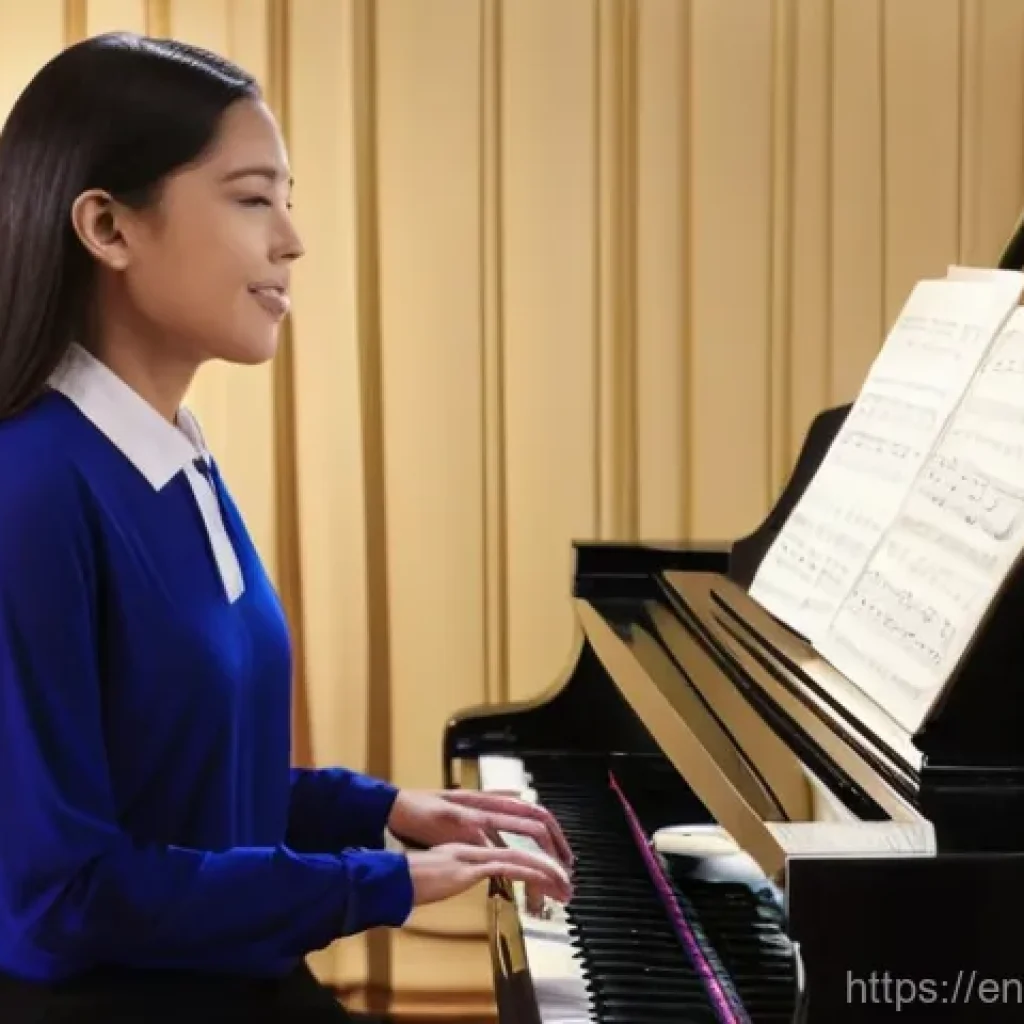
You know, there’s this romantic idea of what a vocal coach does – all glamour and perfectly pitched notes. But let me tell you, from my own experience, it’s so much more.
Every single day brings a fresh set of voices, challenges, and incredible breakthroughs. Imagine guiding someone from timid whispers to a stage-ready powerhouse, or helping an experienced artist nail that tricky riff they’ve been struggling with for weeks.
It’s a hustle, a passion, and definitely requires more coffee than you’d think! I’ve personally found the true magic happens in those moments when a student finally ‘gets it,’ when their confidence blooms, and they discover a voice they never knew they had.
In today’s dynamic music world, a coach isn’t just about scales; we’re mentors, confidence-builders, and strategic partners in an artist’s journey, even incorporating the latest tech to refine their sound.
If you’ve ever wondered about the exciting, often unpredictable, but always rewarding life behind the microphone, and how we stay ahead of the curve in this evolving industry, then you’re in for a treat.
I’ll tell you exactly what goes down!
Beyond the Scales: Crafting Unique Voices
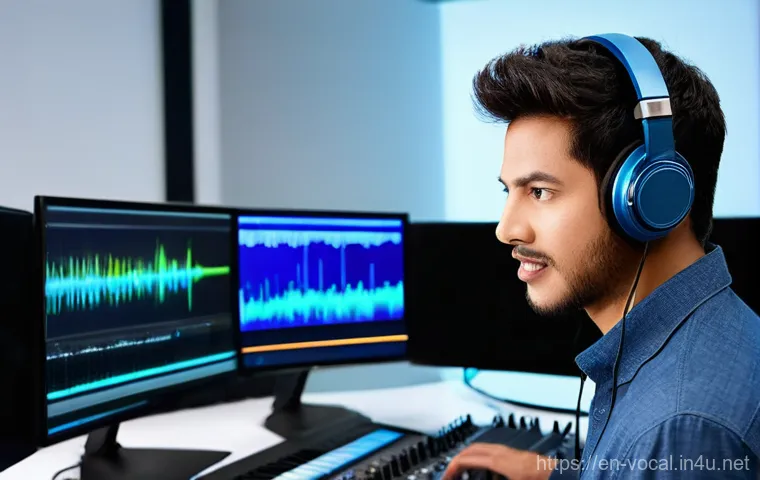
You know, when people think of a vocal coach, they often picture us endlessly running through scales and arpeggios. And sure, those are the foundational building blocks, the vocal equivalent of learning your ABCs.
But let me tell you, that’s just the warm-up. The real magic, the part that truly excites me, is when we move past the mechanics and dive deep into what makes a voice uniquely *them*.
Every singer who walks into my studio brings a different story, a different set of aspirations, and a completely individual vocal fingerprint. My approach?
It’s never a one-size-fits-all lesson plan. I remember working with a young jazz singer who had incredible natural talent but struggled with projecting her softer, more intimate tones without losing that breathy quality she loved.
We spent weeks experimenting, not just with technique, but with how she *felt* when she sang those delicate phrases. It was about finding her emotional connection to the music, not just hitting the note.
That’s where the artistry truly blossoms, and honestly, it’s far more rewarding than any perfect C-major scale. It’s about empowering them to find *their* voice, not just *a* voice.
Deciphering Vocal Blueprints
Every new student is like a fascinating puzzle. I spend a significant amount of time just listening – not just to their singing, but to their speaking voice, their breathing patterns, even their posture.
It’s all interconnected. I’ve found that often, a seemingly technical issue, like a strained high note, might actually stem from something as simple as shallow breathing or tension held in the jaw, often without them even realizing it.
My initial sessions are less about immediate fixes and more about careful observation and gentle exploration. We’ll try different exercises, different vocalizations, and I’ll ask a lot of questions about how things feel, not just how they sound.
It’s a detective game, really, trying to understand their habits, both good and bad, and how they contribute to their overall vocal production. This comprehensive assessment forms the ‘blueprint’ for their personalized training journey.
The Art of Personalized Practice
Once I’ve got a good sense of their vocal profile, that’s when the real tailoring begins. Generic exercises might hit some points, but custom-designed routines?
Those are the game-changers. I often create specific vocal warm-ups and exercises that target their unique challenges, whether it’s expanding their range, smoothing out transitions, or developing better breath control.
For instance, I had a pop artist who needed more power and sustain in their chorus lines. Instead of just pushing them harder, we focused on dynamic breath support and resonance exercises, gradually building up their stamina and vocal strength.
I make sure their practice routine isn’t just effective, but also enjoyable and sustainable, fitting into their busy lives. Because let’s be real, if practice feels like a chore, it’s not going to happen consistently.
And consistency, my friends, is absolutely key.
The Art of Diagnosis: Unlocking Vocal Potential
My studio isn’t just a place for singing; it’s a place for vocal discovery, and a huge part of that is my role as a vocal detective. When a singer comes to me with a specific struggle – maybe they’re constantly hoarse after gigs, or they can’t quite hit that high note without cracking – it’s rarely a simple fix.
It’s about getting to the root cause, which often requires a blend of technical knowledge, a keen ear, and a fair bit of intuition. I’ve seen everything from vocal nodes (ouch!) to psychological blocks that manifest as physical tension.
It’s fascinating, and frankly, a little daunting sometimes, because you’re dealing with someone’s voice, their instrument, and often, their livelihood or their greatest passion.
My goal is always to empower them with the understanding of *why* something is happening, not just *how* to fix it. This understanding is what truly fosters long-term vocal health and growth.
Pinpointing the Problem: My Detective Work
This stage is all about deep listening and careful observation. I pay attention to everything: their posture, their breathing, the way they articulate words, even the subtle facial expressions they make when singing.
Sometimes a student will complain about a certain note, but as I listen, I realize the issue isn’t the note itself, but the transition *to* it, or the breath support *before* it.
I often use slow-motion vocalizations or sustained notes to really isolate where tension might be building or where their breath is faltering. I had a rock singer once who kept losing his voice during intense performances.
We discovered, after some careful analysis, that he was unconsciously tightening his throat on certain powerful phrases instead of relying on his diaphragm.
Once he understood that mechanism, we could work on redirecting that energy. It’s a meticulous process, but incredibly rewarding when you finally nail the exact issue.
Crafting Custom Solutions: Beyond Generic Exercises
Once the problem is identified, it’s time to get creative with solutions. This isn’t about pulling exercises from a textbook; it’s about tailoring them specifically to the individual’s vocal anatomy and habits.
If a singer has breath control issues, we might focus on specific diaphragmatic exercises combined with sustained vocalizations. If their resonance is weak, we’ll work on buzzing, humming, and exploring different vowel shapes to find their optimal placement.
I often come up with analogies or visualizations to help them grasp concepts that are hard to describe physically. For a student struggling with vocal registration breaks, I might use the image of smoothly shifting gears in a car, rather than abrupt jolts.
The key is to find what resonates with *them* and makes the technical concepts tangible. It’s about building a toolkit that *they* can use, independently, long after they leave my studio.
Tech Talk: Integrating Innovation into Vocal Training
Honestly, if you’re not incorporating technology into your vocal coaching these days, you’re probably missing a trick. The old school methods are invaluable, don’t get me wrong – the ear, the piano, the experience – those are always foundational.
But wow, has technology changed the game! From advanced recording software to real-time feedback tools, it’s like having a superpower in the studio. I’ve personally found that these tools don’t replace my expertise; they enhance it, allowing me to show students, not just tell them, what’s happening with their voice.
It makes learning so much more interactive and tangible, which is a huge win for engagement and retention.
Leveraging Audio Feedback Tools
One of my absolute favorite tech integrations is using sophisticated audio analysis software. Imagine being able to visually see your pitch accuracy, vibrato consistency, or even the harmonic content of your voice in real-time!
It’s incredible. I often record snippets of a student’s singing and then play them back, sometimes even comparing their take to a professional recording.
We can zoom in on specific phrases, identify problematic notes, and analyze the nuances of their vocal performance. This objective feedback is invaluable.
I remember a singer who was convinced they were hitting a note perfectly, but the visualizer showed a slight dip in pitch at the beginning. Once they saw it, they understood *exactly* what needed to be adjusted, and the correction happened so much faster than if I’d just tried to explain it verbally.
It’s like having an X-ray for your voice.
Smart Practice Apps and Virtual Warm-ups
Beyond in-studio tech, I’m a huge advocate for smart practice apps that students can use on their own. There are some fantastic applications out there that offer customized warm-ups, pitch tracking exercises, and even virtual piano keyboards.
These aren’t just for beginners; advanced singers can use them to maintain consistency and explore new vocal challenges between sessions. I often assign specific app-based exercises as “homework,” helping my students develop self-discipline and independence in their vocal journey.
It’s a great way for them to stay connected to their training, even when they’re not physically in the studio with me. Plus, it gives them immediate feedback, reinforcing good habits and flagging areas that still need work.
It’s like having a mini-coach in their pocket!
Performance Prep: Guiding Artists to the Spotlight
You know, getting a voice technically sound is one thing, but preparing an artist for the stage, for that moment they step into the spotlight? That’s an entirely different beast, and honestly, one of the most thrilling parts of my job.
It’s about more than just hitting the notes perfectly; it’s about presence, emotional connection, stamina, and resilience. I’ve worked with artists on everything from their very first open mic night to major stadium tours, and each journey is unique.
My role shifts from a technical instructor to a holistic performance guide, someone who helps them integrate all their skills into a captivating, audience-ready package.
It’s incredibly satisfying to watch a student who once trembled at the thought of singing in front of five people, now confidently command a stage.
Stage Presence and Storytelling
Technical prowess is essential, but it’s only half the battle. A truly compelling performance is about storytelling and connecting with your audience.
This means we often work on stage presence, movement, and how to convey emotion through both their voice and their body language. I encourage my students to think about the narrative of their songs – what story are they telling?
What feelings are they trying to evoke? We’ll practice different interpretations, experiment with varying dynamics, and even record their performances to review body language and facial expressions.
I remember coaching a folk singer who had a beautiful voice but seemed glued to the microphone stand. We worked on subtle movements, eye contact, and using her hands to emphasize lyrics, transforming her from a static singer into an engaging storyteller.
It made a world of difference.
Building Stamina and Vocal Endurance
Live performance, especially a full set, is incredibly demanding on the voice. It requires not just vocal strength but also immense physical stamina. We often incorporate exercises designed to build vocal endurance, ensuring they can sing strong from the first note to the last encore without fatigue or strain.
This includes breath management techniques that allow for efficient vocal production over extended periods, and strategic pacing throughout their setlist.
I also emphasize the importance of vocal warm-downs and recovery techniques. A pop artist I work with often has back-to-back shows, so we developed a very specific post-performance routine involving gentle humming, hydration, and vocal rest, which has been crucial for her sustained vocal health and career longevity.
It’s about treating their voice like an athlete treats their body – with respect, training, and careful recovery.
Building Bonds: The Psychology of a Vocal Coach

You know, my job isn’t just about vocal cords and breathing techniques. A huge, often unspoken, part of what I do is about psychology. When someone comes to me, they’re not just bringing their voice; they’re bringing their insecurities, their fears, their hopes, and their dreams.
It’s a deeply personal journey, and because of that, building a strong, trusting relationship with my students is absolutely paramount. I’ve found that without that connection, without them feeling truly safe and understood, their vocal progress can be incredibly slow, or even nonexistent.
It’s about creating a space where they feel comfortable enough to be vulnerable, to make mistakes, and to truly explore their vocal capabilities without judgment.
Cultivating Confidence and Overcoming Fear
Many singers, even experienced ones, grapple with performance anxiety, self-doubt, or the fear of failure. It’s something I see almost daily. My role often extends to being a cheerleader, a therapist, and a confidence-builder.
We’ll talk about nerves, about imposter syndrome, and about the importance of embracing imperfection. I try to normalize these feelings, reminding them that every artist, at every level, experiences them.
I had a particularly shy student who was terrified of singing in front of anyone. We started with her just singing to me, then to a recording device, gradually building up to a small, trusted audience.
It took time, but seeing her blossom and eventually perform confidently was one of the most rewarding experiences of my career. It’s about gentle encouragement and celebrating every small victory.
The Art of Empathetic Feedback
Giving feedback is a delicate dance. You have to be honest, but also constructive and encouraging. There’s a huge difference between saying “That note was flat” and “Let’s explore how we can get a bit more lift and resonance on that phrase to hit the center of the pitch.” It’s about phrasing criticism in a way that empowers rather than discourages.
I always start by highlighting what they did well, even if it’s just a tiny moment of perfect phrasing, and then gently guide them toward areas for improvement.
I also encourage them to vocalize their feelings about their own performance – what felt good, what felt challenging. This active listening and empathetic approach fosters a collaborative environment, making them an active participant in their own growth, rather than just a passive recipient of instruction.
The Business of Belting: Navigating the Industry
Let’s be real, talent alone, as magnificent as it is, doesn’t always cut it in the music industry. As a vocal coach, especially when working with aspiring professionals or artists looking to elevate their careers, my role often expands beyond just vocal technique.
It’s about helping them understand the practicalities, the hustle, and the business side of being a singer. I’ve seen too many incredibly gifted vocalists get lost in the shuffle simply because they didn’t know how to navigate the industry.
While I’m certainly not a manager or an agent, I see it as my duty to provide guidance, share insights, and connect them with resources that can help them succeed beyond my studio walls.
Demystifying Demos and Networking
For many emerging artists, the idea of creating a professional demo or even knowing how to network can be overwhelming. We’ll often discuss what makes a strong demo reel – not just vocally, but also in terms of song choice, production quality, and showcasing versatility.
I’ll give them honest feedback on their recordings and sometimes even suggest local studios or producers I trust. Networking is another huge one. I often encourage my students to attend open mic nights, music industry events, and workshops – not just to perform, but to meet other musicians, producers, and industry professionals.
I share my own experiences and tips on how to make genuine connections, because frankly, this industry is built on relationships. I emphasize that it’s not just about what you know, but who you know, and how authentically you connect with them.
Understanding Rights and Revenue Streams
This is where things can get a bit dry, but it’s absolutely crucial for any working musician. We’ll touch upon the basics of royalties, performance rights organizations, and the different ways artists can monetize their music in today’s digital age.
It’s an ever-evolving landscape, and staying informed is key. I’ve personally seen artists miss out on potential income because they weren’t aware of their rights or how to register their work.
We’ll discuss options like licensing music for film and TV, crowdfunding, and leveraging social media platforms. I often recommend resources for further learning, whether it’s books, webinars, or connecting them with entertainment lawyers or business managers who specialize in music.
It’s about empowering them to protect their art and build a sustainable career.
| Aspect of Vocal Coaching | My Approach | Benefit for the Singer |
|---|---|---|
| Vocal Technique | Personalized exercises, deep anatomical understanding, innovative methods. | Expanded range, improved pitch, increased stamina, healthy vocal production. |
| Performance Skills | Focus on stage presence, emotional connection, storytelling, audience engagement. | Confident delivery, captivating performances, stronger artist-audience bond. |
| Mental & Emotional Support | Building confidence, addressing anxieties, empathetic feedback, safe space. | Reduced stage fright, enhanced self-belief, resilience, positive mindset. |
| Industry Guidance | Insights into demos, networking, basic monetization strategies, resource sharing. | Informed career decisions, increased opportunities, professional growth. |
Staying Sharp: My Journey of Continuous Learning
You know, even as a vocal coach with years under my belt, I firmly believe that the moment you stop learning is the moment you start falling behind. The human voice is an incredibly complex instrument, and the music industry is constantly evolving.
New research in vocal science emerges, new teaching methodologies are developed, and of course, musical styles and trends shift like the wind. To truly be an effective and relevant coach, I’ve found it absolutely essential to remain a perpetual student myself.
It’s not just about retaining my expertise; it’s about expanding it, challenging my own assumptions, and bringing fresh, cutting-edge insights to my students.
This commitment to ongoing education isn’t just a professional duty; it’s a passion, a deep curiosity about the voice and its endless possibilities.
Deep Diving into Vocal Science and Pedagogy
My professional development isn’t just passive reading; it’s an active pursuit. I regularly attend workshops, seminars, and conferences focused on vocal pedagogy and voice science.
I immerse myself in the latest research, from understanding the biomechanics of resonance to the neurological processes involved in singing. Just last year, I attended an intensive course on Estill Voice Training, which completely revolutionized some of my approaches to managing vocal tension.
It’s about continually refining my toolkit, exploring new exercises, and understanding the ‘why’ behind every vocal phenomenon. This constant learning allows me to adapt my teaching methods to individual needs, addressing even the most unique vocal challenges with informed precision.
I always feel like there’s another layer to peel back, another secret of the voice to uncover.
Embracing New Musical Trends and Genres
It would be easy, I suppose, to stick to the genres I personally love or grew up with. But that would be a huge disservice to my students and frankly, to my own growth.
The music landscape is incredibly diverse and dynamic, and my students bring in everything from K-pop to classical, heavy metal to R&B. To effectively coach them, I need to understand the vocal demands and stylistic nuances of these genres.
This means I’m constantly listening to new music, researching vocal techniques specific to different styles, and even taking lessons myself from specialists in certain genres.
It keeps things exciting and ensures I can meet my students where they are, helping them achieve their goals in *their* chosen musical world. It’s a fantastic way to keep my own musical ear fresh and my teaching relevant to the contemporary scene.
Wrapping Things Up
Well, friends, we’ve covered quite a journey today, haven’t we? From the nitty-gritty of vocal technique to the exhilarating rush of performance prep and even the often-overlooked business side of music, it’s clear that finding and nurturing your voice is a multifaceted adventure. For me, there’s nothing more rewarding than witnessing that ‘aha!’ moment in a student’s eyes, the moment they unlock a new capability or truly connect with a song on a deeper level. It’s a privilege to be a part of their story, guiding them through the challenges and celebrating every single triumph. Remember, your voice is a reflection of you, and it deserves all the care, curiosity, and courageous exploration you can give it. Keep singing, keep learning, and most importantly, keep sharing your unique sound with the world!
Useful Information to Know
1. Prioritize Hydration: Your vocal cords thrive on moisture! Always keep a water bottle close by and make sipping water a consistent habit throughout your day. Well-hydrated cords are less prone to strain and can produce a clearer, more resonant sound. Trust me, it makes a world of difference.
2. Listen to Your Body: Just like any other muscle, your voice can get tired or strained. Pay close attention to any discomfort, hoarseness, or fatigue. Pushing through pain can lead to serious vocal damage, and that’s the last thing we want. It’s perfectly okay to rest your voice when it needs it, even if that means rescheduling a practice session; your vocal health is paramount.
3. Consistent Practice is Key, Not Just Long Practice: It’s far more effective to have shorter, more focused practice sessions several times a week than one marathon session that leaves you exhausted. Consistency builds muscle memory and reinforces good habits much more effectively. Aim for quality over quantity every single time, and you’ll see incredible progress.
4. Seek a Personalized Approach: Every voice is truly unique, and what works wonders for one singer might not be the best fit for another. Look for a coach who listens intently, understands your specific goals, and genuinely tailors their methods to your individual needs. A generic, one-size-fits-all approach rarely yields the best results; a great coach will always treat you as an individual artist.
5. Embrace Technology as a Tool, Not a Crutch: While foundational techniques and the human ear are absolutely paramount, modern tools like vocal analysis apps or quality recording software can provide invaluable objective feedback. Use them to augment your practice and gain deeper insights into your vocal production, but always remember your ear and your coach’s guidance are your primary navigators on this exciting journey.
Key Takeaways
Ultimately, your vocal journey is a deeply personal one, requiring a blend of expert guidance, consistent dedication, and a healthy dose of self-compassion. From deciphering your unique vocal blueprint and crafting custom practice routines to leveraging innovative tech for tangible feedback and preparing you for the spotlight, every step is designed to empower your artistry. Remember, a great vocal coach is not just about scales; they’re your trusted partner in building confidence, fostering vocal health, and navigating the exciting, sometimes daunting, world of music. Always prioritize listening to your body, practicing smart, and nurturing those genuine connections within the industry. Your voice is a gift, and with the right approach, its potential is truly boundless.
Frequently Asked Questions (FAQ) 📖
Q: What’s the biggest misconception people have about what a vocal coach actually does, compared to the day-to-day reality?
A: Oh, this is such a great question! I hear it all the time. Most folks have this really romanticized vision of a vocal coach – you know, someone sitting at a grand piano, effortlessly guiding a naturally gifted singer to superstardom.
It’s often pictured as this glamorous, melodious existence. And sure, there are moments of pure magic! But the reality, from my own experience, is a vibrant, often messy, and incredibly rewarding hustle.
It’s less about perfect scales and more about genuine connection, problem-solving, and a ton of patience. I’ve found myself spending hours dissecting a single phrase with a student who’s been told they “can’t sing,” watching their eyes light up when they finally hit that note they thought was impossible.
Or, it’s about helping an experienced artist navigate vocal fatigue from touring, or even just building the sheer mental grit to perform under pressure.
It’s not always pretty, but it’s always real, and that’s where the true breakthroughs happen. It requires more listening than singing, more empathy than judgment, and honestly, way more coffee than anyone ever imagines!
Q: How do you approach helping a singer, whether they’re a complete beginner or a seasoned pro, unlock their true vocal potential and build unshakable confidence?
A: This is really the heart of why I do what I do! It’s never a one-size-fits-all approach, and that’s what makes it so exciting. For beginners, it’s often about gently chipping away at self-doubt.
I’ve personally seen how a timid whisper can transform into a confident, resonant voice just by creating a safe space where mistakes are celebrated as learning opportunities.
We start with the basics, building a solid foundation, and I make sure they feel every small victory. It’s about empowering them to explore sounds they never thought they could make.
With seasoned pros, it’s a different game. They’ve usually got the technique down, but maybe they’re hitting a creative wall, struggling with a challenging piece, or need to refine their endurance.
My role then shifts to being a strategic partner, a sounding board, and sometimes, just a cheerleader. We dive deep into nuance, emotion, and performance strategy.
I always encourage them to trust their instincts and lean into what makes their voice unique. The confidence truly blooms when they realize they have the tools, and more importantly, the self-belief, to tackle anything.
Q: In today’s incredibly fast-paced music industry, how do you stay ahead of the curve and ensure your students are always receiving the most current and effective guidance?
A: Oh my goodness, this industry never stops evolving, right? It’s like trying to catch smoke! But honestly, that’s what keeps it so thrilling.
For me, staying ahead isn’t just a professional duty, it’s a passion. I’m constantly learning – attending workshops, devouring new research on vocal science, and chatting with other coaches and industry pros.
I’ve found that some of the best insights come from simply observing trends in popular music and understanding what resonates with today’s audiences. I also embrace technology wholeheartedly!
From advanced vocal analysis software that helps pinpoint subtle issues, to using high-quality recording setups to give students immediate feedback on their progress, tech is a huge asset.
What I’ve really noticed is the shift towards artists needing to be multifaceted – not just great singers, but also savvy about self-promotion, online presence, and even home studio production.
So, I make sure to incorporate practical advice on these fronts too. It’s about preparing them for the entire journey, not just the singing part. It’s an ongoing process of adaptation and innovation, and it keeps things incredibly fresh and exciting for both me and my students!